Water and Terrorism

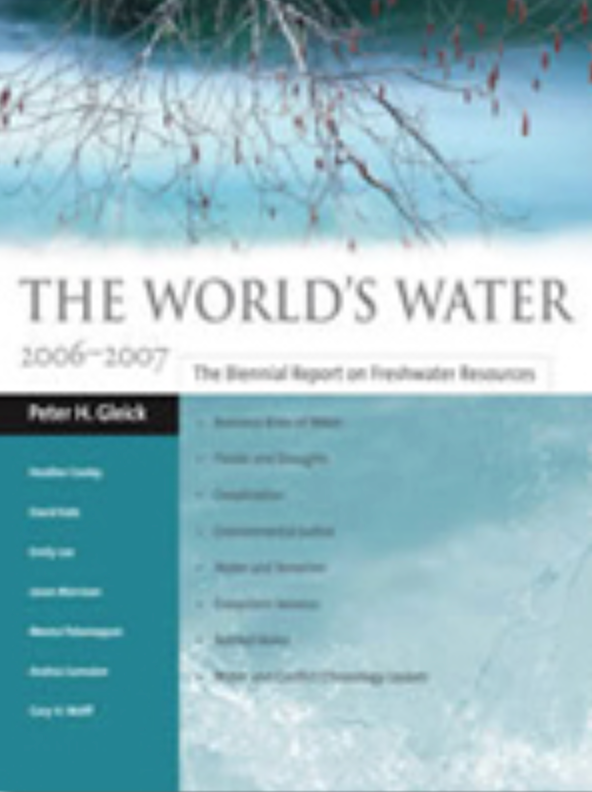
The importance of freshwater and water infrastructure to human and ecosystem health and to the smooth functioning of a commercial and industrial economy makes water and water systems targets for terrorism. The chance that terrorists will strike at water systems is real; indeed, there is a long history of such attacks. Water infrastructure can be targeted directly or water can be contaminated through the introduction of poison or diseasecausing agents. The damage is done by hurting people, rendering water unusable, or destroying purification and supply infrastructure. More uncertain, however, is how significant such threats are today, compared with other targets that may be subject to terrorist attack, or how effective such attacks would actually be. Analysis and historical evidence suggest that massive casualties from attacking water systems are difficult to produce, although there may be some significant exceptions. At the same time, the risk of societal disruptions, disarray, and even overreaction on the part of governments and the public from any attack, may be high. This paper reviews the history of past attacks on water systems and the most pressing vulnerabilities and risks facing modern water systems. Suggestions of ways to reduce those risks are also presented.

Desalination, With a Grain of Salt: A California Perspective

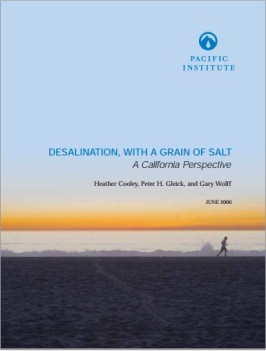
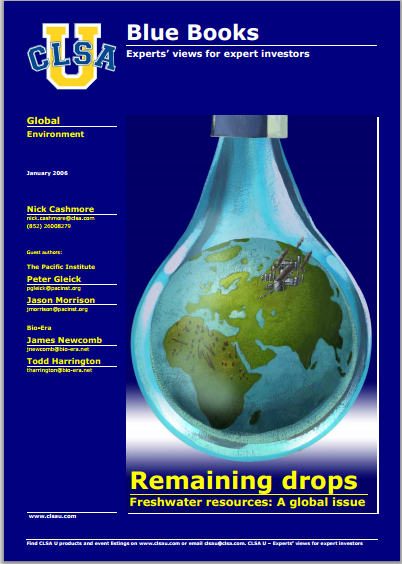
In Desalination, With a Grain of Salt – A California Perspective, the Pacific Institute provides a comprehensive overview of the history, benefits, and risks of ocean desalination, and the barriers that hinder more widespread use of this technology, especially in the context of recent proposals for a massive increase in desalination development in California.Long considered the Holy Grail of water supply, desalination offers the potential of an unlimited source of fresh water purified from the vast oceans of salt water that surround us. The public, politicians, and water managers continue to hope that cost-effective and environmentally safe ocean desalination will come to the rescue of water-short regions. While seawater desalination plants are already vital for economic development in many arid and water-short areas of the world, many plants are overly expensive, inaccurately promoted, poorly designed, inappropriately sited, and ultimately useless. To avoid new, expensive errors, policymakers and the public need to take a careful look at the advantages and disadvantages of desalination and develop clear guidance on how to evaluate and judge proposals for new facilities.

Testimony of Dr. Peter H. Gleick to the United States Congress Committee on Government Reform

Over the last few decades, there has been growing concern over the international security implications of large-scale environmental problems, including those associated with the production and use of energy resources. Recently, this attention has focused on the possibility of major climatic changes caused by growing atmospheric concentrations of carbon dioxide and other trace gases that result, primarily from our combustion of fossil fuels. Given the extent and severity of the likely climatic changes, it is increasingly urgent that we begin to ask how climate changes will affect international relationships, economics, access to resources, and national security.

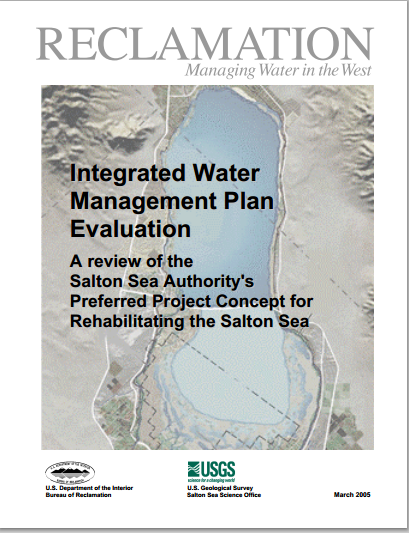
Hazard: The Future of the Salton Sea with No Restoration Project

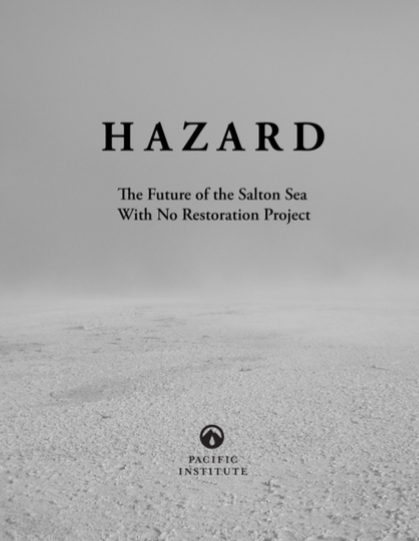
The Salton Sea is shrinking, and without a restoration project it will transform from California’s largest lake into an economic, health, and environmental hazard. The Sea’s 75-year crash-course is detailed in a report by the Oakland-based Pacific Institute, an independent, nonpartisan think-tank.

Scroll to Top
Pacific Institute
Privacy Overview

This website uses cookies so that we can provide you with the best user experience possible. Cookie information is stored in your browser and performs functions such as recognising you when you return to our website and helping our team to understand which sections of the website you find most interesting and useful.