

This section explores the nuances of global water challenges, featuring insights by our researchers, collaborative pieces with our partners, and Q&A styled dialogues with industry experts. It complements our work by providing context, commentary, and a deeper understanding of our research findings.

Putting the Water Action Hub into Action in the Apparel Sector
How often do you think about where that new jacket you just bought was made? Or how much water was used to make it? As consumers in this rapidly expanding and globalized world, it is easy to forget the resources that go into making something that we buy with a click in the comfort of our homes.

How to Set Meaningful Site Water Targets
Climate change is impacting all regions of the world, cutting across all sectors of society. It is closely connected to water resources, leading to more floods, droughts, poor water quality, and increased water demand due to higher temperatures – more water is needed for irrigation, drinking water, and industrial cooling.
Salton Sea +20
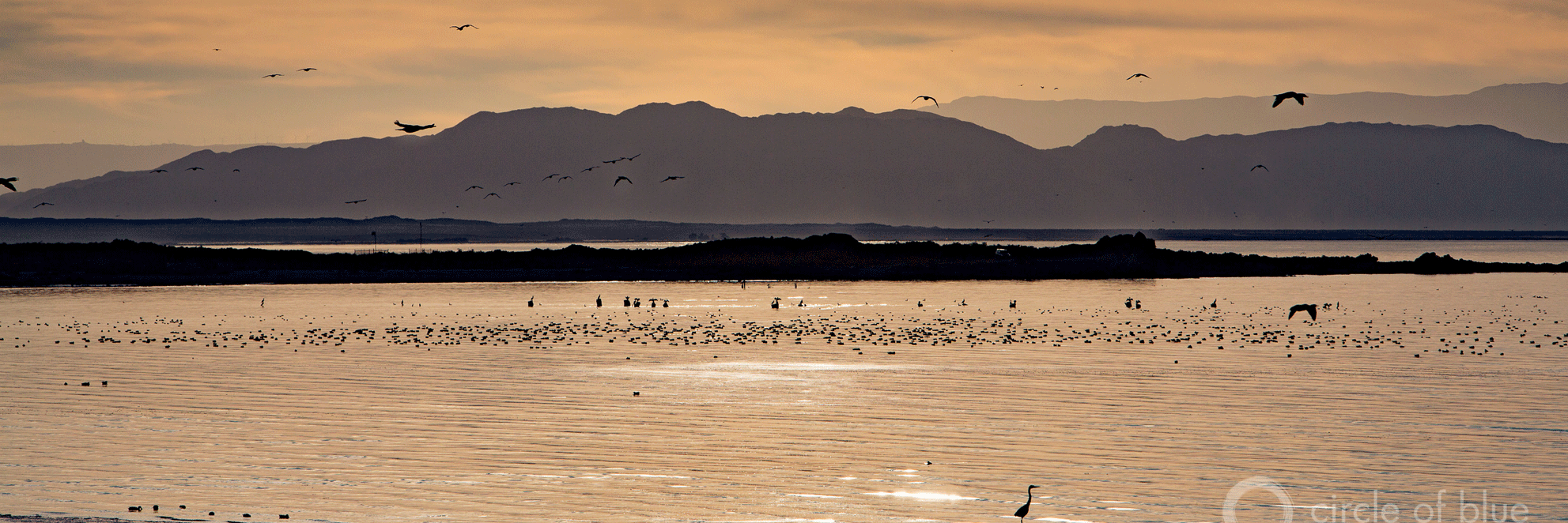
After decades of false starts and false hopes, progress might finally be within reach for California’s Salton Sea – the state’s largest and most maligned lake. California’s governor and natural resources secretary have demonstrated the commitment and political will needed to construct actual, on-the-ground habitat and dust control projects.
Find Your Partners for Water Sustainability with the Water Action Hub 3.0
For those who don’t know, the Hub is an online collaboration and knowledge sharing platform for water. Or, as we like to say sometimes, it’s a “dating” site for water sustainability partners.

Comparing Apples to Apples: Towards Better Communication Using a Common Language for Water
Coming up with a common language to describe water issues is a must if companies and other stakeholders are to engage in meaningful action. As a precursor to this, in 2014 we collaborated on the publication of the UN Global

4 Reasons Why Urban Landscapes are a Linchpin for Climate Resilience
When it comes to water sustainability and climate resilience, urban outdoor landscapes represent a wealth of opportunity. Outdoor landscapes are a vital component of our cities…
Water Risk Management for the Private Sector
The complexity and local nature of the global water crisis requires collaboration, from community-based organizations to governments to businesses and others. Knowledge of water risks and opportunities can help businesses mitigate those risks and contribute to water security.
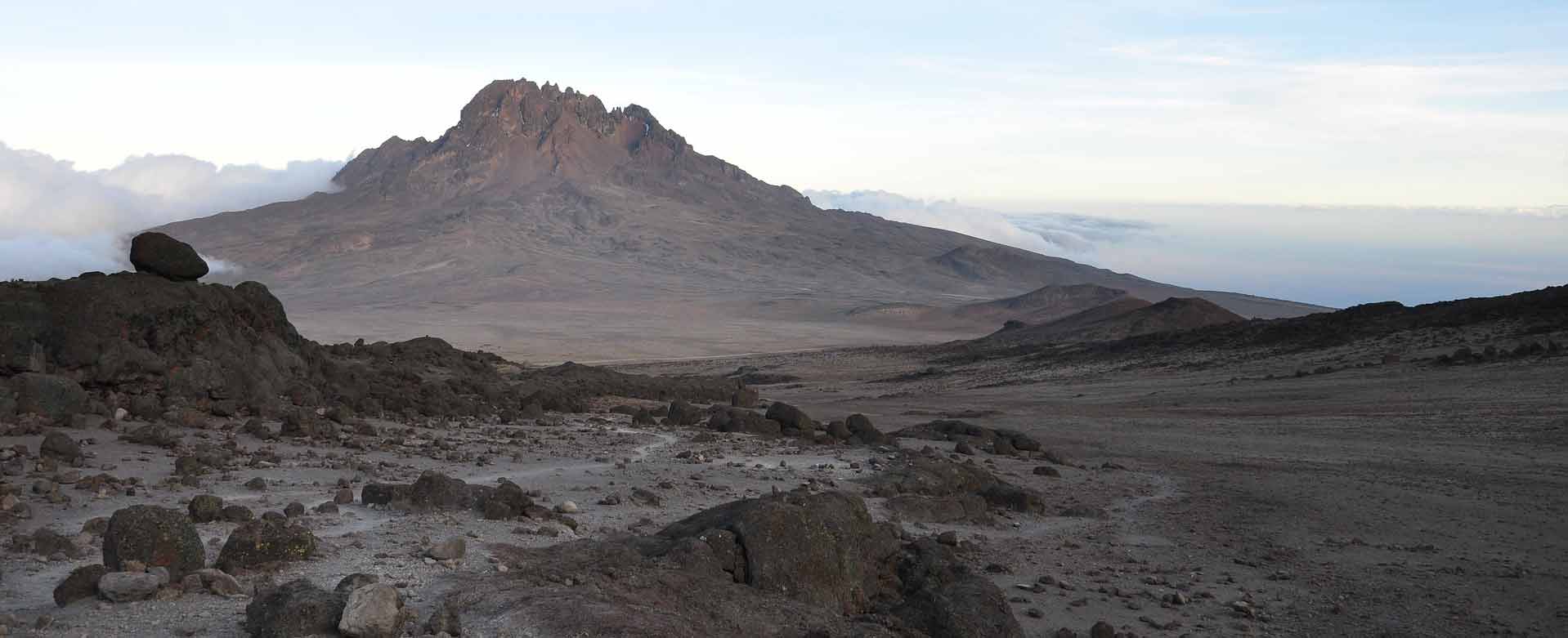
Kilimanjaro, Home to a Great Example of Water Stewardship in Action. And the Highest Mountain in Africa.
In Tanzania, between Moshi and Arusha, you come across a small town called Usa River, which is situated on the banks of its namesake: the Usa River, a tributary of the Kikuletwa and then eventually Pangani River.
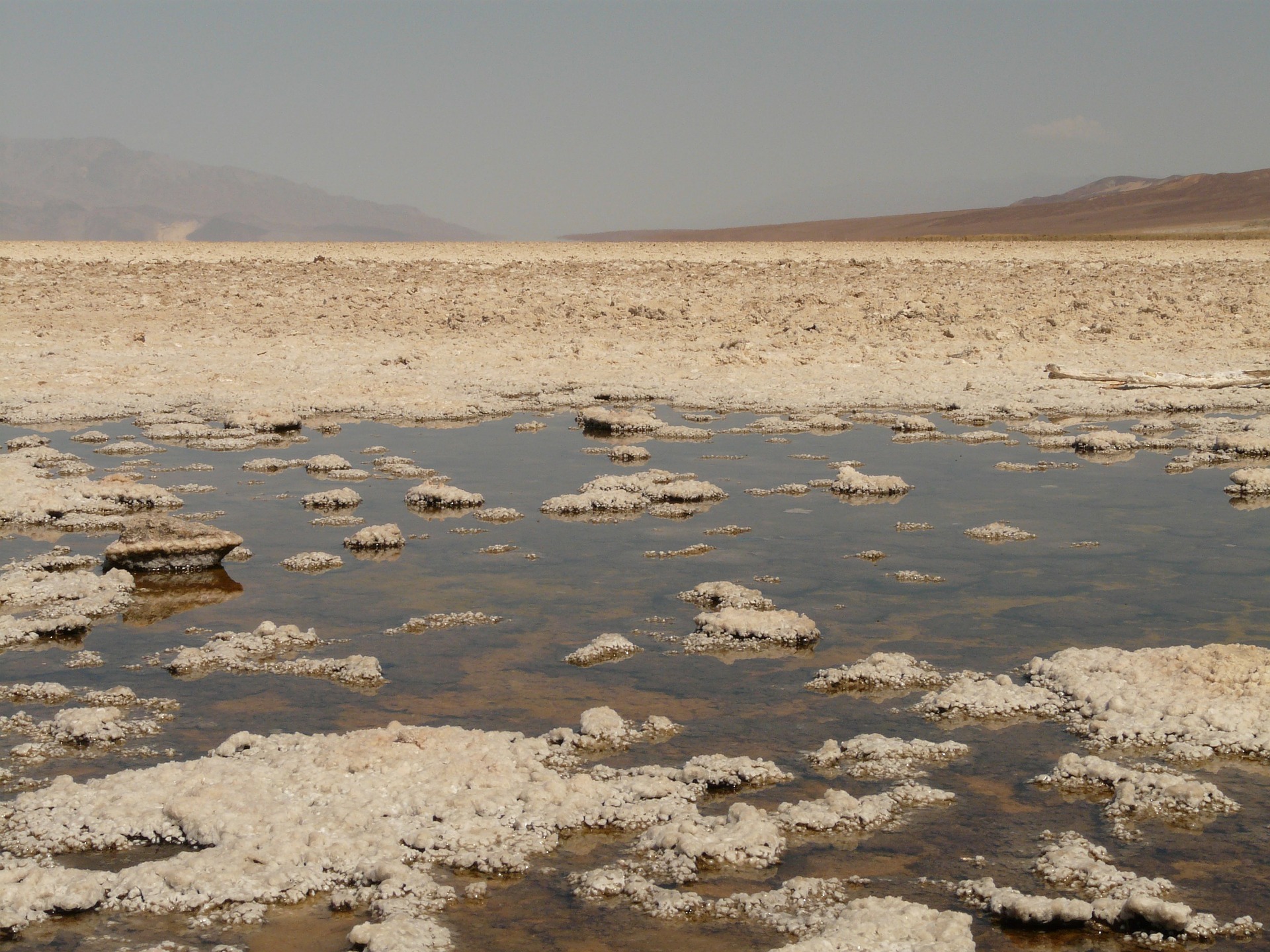
Can California Shift to Proactive Drought Preparedness?
Precipitation in California is highly variable from year to year, and climate change is increasing this variability. We can expect to see more intense droughts and storms, and rapid shifts from very wet to very dry conditions.
The CEO Water Mandate launches a beta version of Water Action Hub 3.0 for World Water Day
This World Water Day, the CEO Water Mandate, a UN Global Compact initiative implemented in partnership with the Pacific Institute, will launch a beta version of Water Action Hub 3.0