

April 2026
Authors: Rebecca Anderson and Shannon M. McNeeley
In 2025, a growing mismatch was evident between escalating climate disruptions to water and sanitation systems and more uncertain federal support. From destructive wildfires in California to catastrophic flooding in Texas, overburdened and underresourced communities lost access to safe water and sanitation. Water and sanitation systems in these communities are confronting more frequent and severe climate disruptions to these vital lifelines at a time when funding for preparedness and recovery dwindles. The events of 2025 highlighted a central challenge whereby climate risks intensify while federal funding is increasingly constrained and unpredictable, making it harder to achieve equitable and climate-resilient water and sanitation systems in communities who need it the most.
When Climate Hazards Overwhelm Vulnerable Water Systems
In January 2025, the Palisades and Eaton fires burned more than 40,000 acres and destroyed over 12,000 structures across the Los Angeles (LA) metro region. The fires disproportionately impacted historically underserved communities, including Black and Latino neighborhoods. The damage extended to 11 drinking water systems and two large wastewater facilities in LA County. This resulted in contaminated drinking water pipelines, which prompted “do not drink” advisories that left residents without safe water. Residents reported anxiety, stress, and depression following the loss of reliable drinking water. This underscores the broader mental health and well-being toll of climate-related disruptions to water access.
Small water systems serving 2,000 to 16,000 customers in LA County, particularly those serving low-income and Black communities, saw the highest percentage of area burned within their system boundaries. These systems, already facing mounting challenges such as limited financial capacity and fragmented oversight, were left balancing immediate recovery needs with the longer-term task of preparing for worsening wildfire risk. The 2025 LA fires demonstrated how resource-constrained systems face compounding pressures as climate hazards intensify.
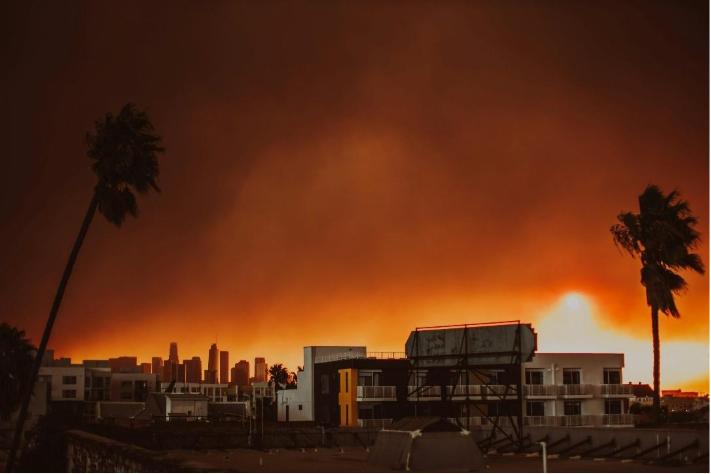
Los Angeles during the 2025 Palisades fire. Photo by Jessica Christian on Unsplash.
Catastrophic flooding in Central Texas in July 2025 exposed similar vulnerabilities in a very different landscape. Extreme rainfall triggered severe flash flooding across the region that claimed over 130 lives, many of them children. Floodwaters damaged infrastructure and contaminated drinking water sources, which forced several communities to issue boil water notices while treatment plants struggled to maintain safe operations. Rural and unincorporated communities were among the most impacted by the floods and experienced additional barriers to accessing disaster aid and rebuilding infrastructure. Many residents in rural areas rely on private wells at risk of contamination from floodwaters. Authorities in Texas issued guidance to test water quality, but this process can be burdensome for low-income households. With heavier precipitation events on the rise across the country, extreme floods will likely become more frequent and intense. This trend illustrates the growing need for support to safeguard water and sanitation access for vulnerable populations and at-risk water systems nationwide.
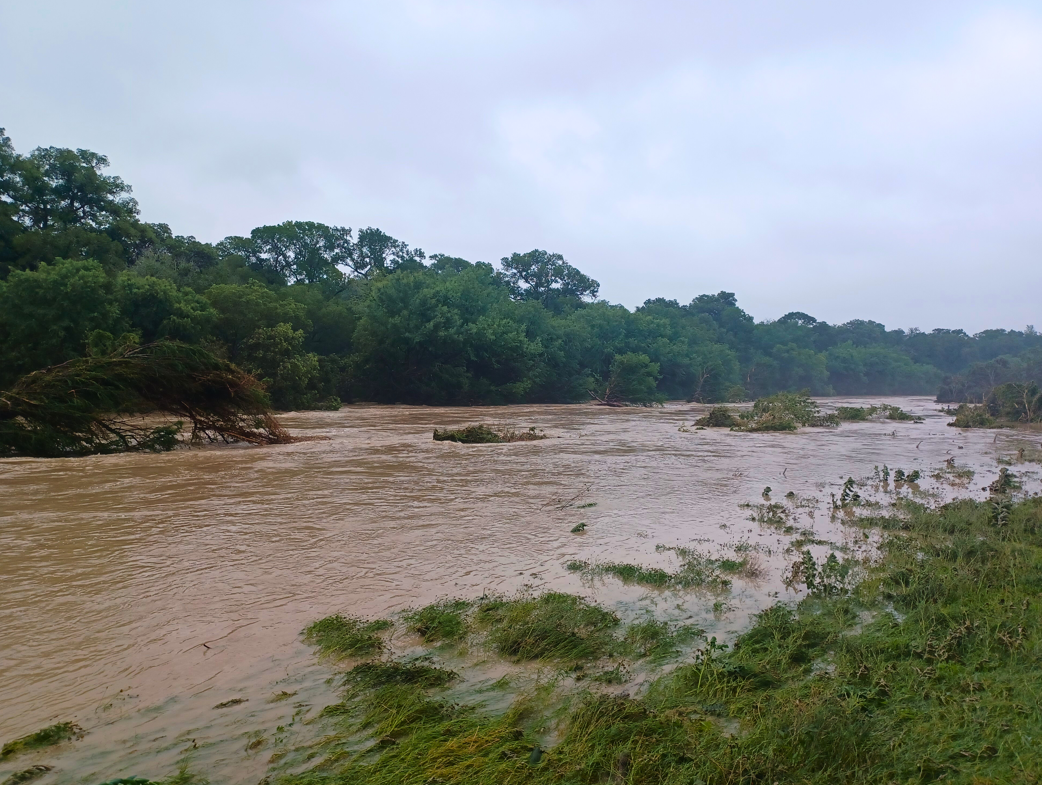
Guadalupe River in Boerne, TX following July 4, 2025, flooding. Photo by Emily Esther McDonald via iStock.
Taken together, the LA fires and Texas floods, along with numerous hurricanes, droughts, and flooding events elsewhere in 2025, demonstrated that climate hazards repeatedly overwhelmed water and sanitation systems. The greatest harms fell on systems and communities with the fewest resources to respond.
Equity-Focused Water Resilience in an Era of Federal Uncertainty
The systemic failures exposed by 2025’s climate disasters unfolded against a backdrop of deepening uncertainty in federal funding. Several federal programs designed to help communities maintain safe, affordable, and climate-resilient water and sanitation infrastructure and services faced funding freezes and cancellations. This included the Federal Emergency Management Agency (FEMA)’s Building Resilient Infrastructure and Communities (BRIC) program, a primary source of disaster mitigation funding. FEMA relaunched BRIC in March 2026 following a federal court ruling that its termination was unlawful, but $3.6 billion in funding for resilience projects nationwide had been halted in 2025.
Looking ahead, as Bipartisan Infrastructure Law (BIL) funding for the drinking water and clean water state revolving funds expires after FY2026, annual appropriations could drop from roughly $11 billion to $3 billion without action from Congress. Such funding levels would fall significantly short of the Environmental Protection Agency’s $1.2 trillion estimated need for drinking water and wastewater infrastructure over the next 20 years. This estimate may understate the true cost of both maintaining infrastructure and building climate resilience. For example, the American Water Works Association estimates that drinking water infrastructure alone will require $2.1–$2.4 trillion between 2026 and 2050.
Alongside the cuts in 2025, FEMA disaster funds were delayed due to heightened administrative scrutiny. As a result, both California and Texas experienced a lag and insufficient federal support following the climate disasters. Without sufficient federal disaster mitigation and recovery funding, states and communities shoulder a disproportionate share of response, recovery, and preparedness costs. This burden is often especially heavy for small and rural water systems with limited revenue.
California and Texas are implementing programs that could strengthen water and sanitation resilience in communities disproportionately vulnerable to climate impacts. In California, a UCLA Luskin Center for Innovation report detailed how small water systems in LA County can ensure safe and equitable drinking water for communities following fires. The report highlighted how the California Safe and Affordable Funding for Equity and Resilience (SAFER) program provides financial and technical assistance to small water systems in California, particularly those serving disadvantaged communities. By improving water quality, supporting consolidation, and building long-term resilience, SAFER represents one pathway of support for small water systems in the state. However, it is unclear whether, and to what extent, the systems most affected by the LA fires have benefited.
In Texas, the Texas Flood Infrastructure Fund supports flood mitigation projects ranging from infrastructure upgrades to regional planning efforts. In 2025, lawmakers proposed $1 billion for the fund. This falls short of the $54 billion recommended in the State Flood Plan for flood risk reduction measures, but it is a step toward improving flood resilience. Following the July 2025 floods, Texas also created the Rural Infrastructure Disaster Recovery Program to help smaller counties rebuild critical infrastructure, as many rural communities lack the tax base needed to finance recovery on their own.
Although the measurable effects of these state-level funding and recovery initiatives on the impacted water systems and communities are not well documented in publicly available sources, they still offer insight. They illustrate how state leadership can create targeted funding mechanisms and programs designed to support water systems in frontline communities as they respond to and build resilience to climate risks.
Turning the Lessons from 2025 into Action
As climate hazards intensify and federal support becomes less certain, frontline communities face mounting threats to water and sanitation access. The climate disasters in 2025 made clear the key actions that can strengthen water and sanitation resilience in the communities that need it most:
- Prioritize sustained investment in core system capacity, preparedness, and climate resilience;
- Improve coordination and funding across all levels of government for disaster preparedness and response; and
- Center equity in water and sanitation investments to prioritize communities most at risk of water insecurity.
Addressing these challenges will require sustained collaboration with the communities most affected, alongside stronger public investment and policy solutions that build long-term resilience.
To help meet this need, the Pacific Institute’s Water and Climate Equity (WCE) Program partners with nonprofits and frontline communities to co-develop research, policy insights, and tools that support equitable, climate-resilient water and sanitation systems.