


This section explores the nuances of global water challenges, featuring insights by our researchers, collaborative pieces with our partners, and Q&A styled dialogues with industry experts. It complements our work by providing context, commentary, and a deeper understanding of our research findings.

Ending Conflicts Over Water
In recent years, a wide range of water-related factors have contributed to political instability, human dislocation and migration, agricultural and food insecurity, and in more and more cases, actual conflict and violence.
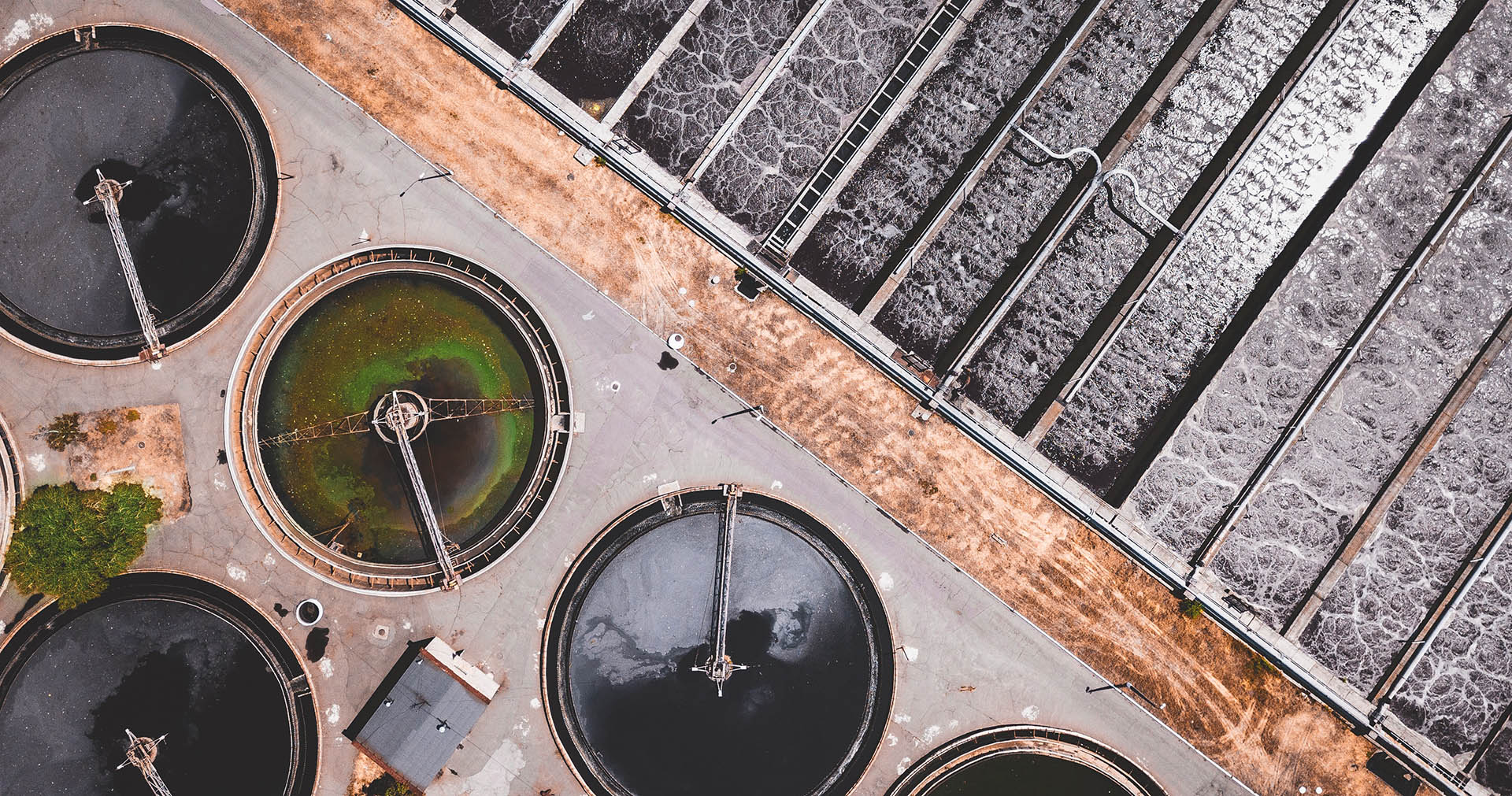
How Distributed Water Infrastructure Can Boost Resilience in the Face of COVID-19 and Other Shocks
COVID-19 — and the ensuing economic crisis — is affecting all sectors of society, including water. Across the country, water utilities are facing lower revenues, more unpaid and late water bills, and higher costs to protect essential staff from COVID-19.
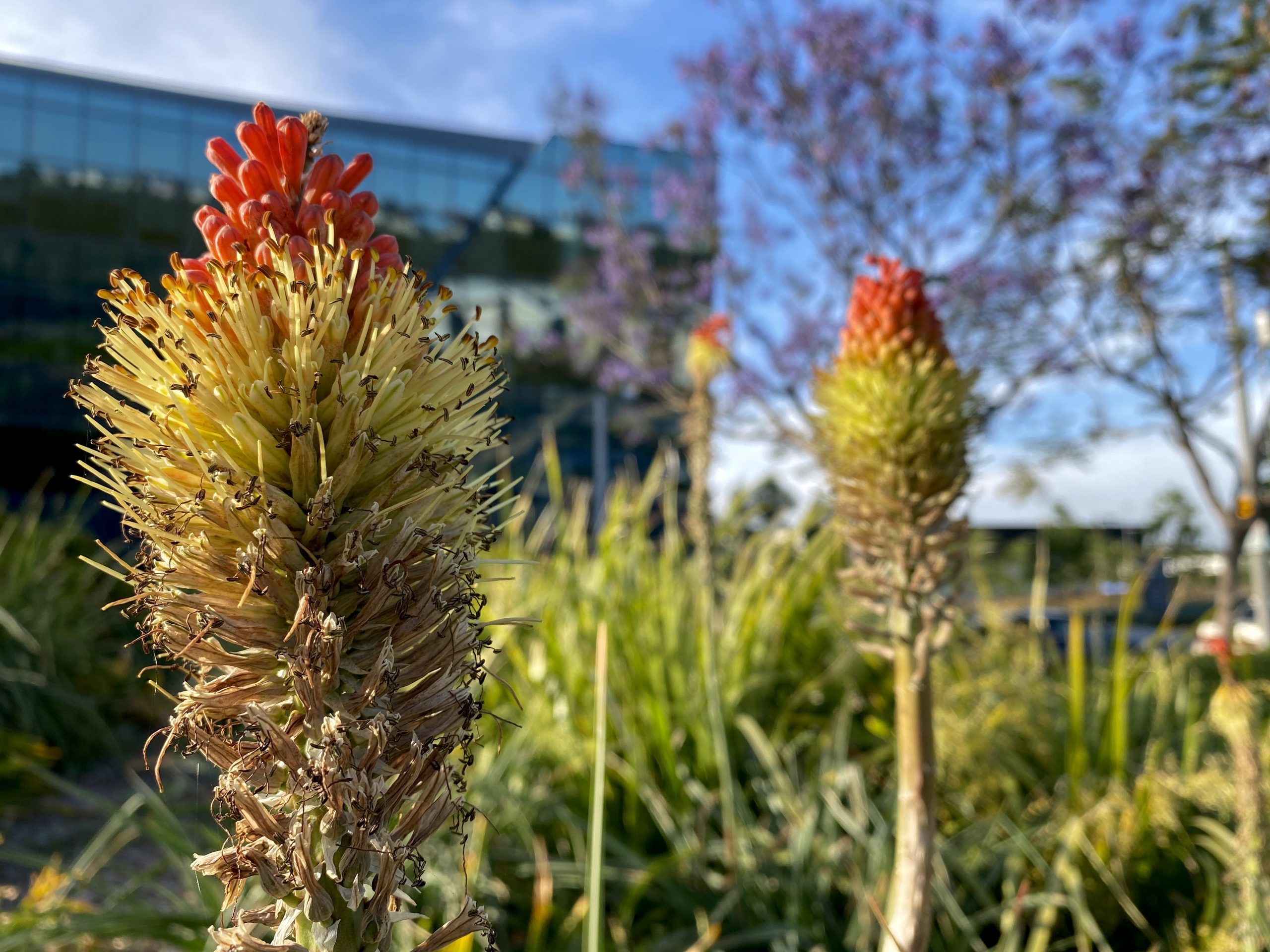
Simple Steps for Businesses to Transform Their Landscapes
The Pacific Institute has developed an interactive guide, Sustainable Landscapes in California: A Guidebook for Commercial and Industrial Site Managers, which provides step-by-step help for businesses interested in sustainable landscapes.
Why Should Your Business Be Interested in Nature-Based Solutions for Watersheds?
As large users of natural resources, including water, the private sector has disproportionate impacts and dependencies on natural capital.
Final California Water Resilience Portfolio Released: What’s There, What’s Missing
In January 2020, California state agencies released a draft document meant to signify a new chapter in California water. Now, six months later and after extensive public consultation, the final draft of the Water Resilience Portfolio has arrived.
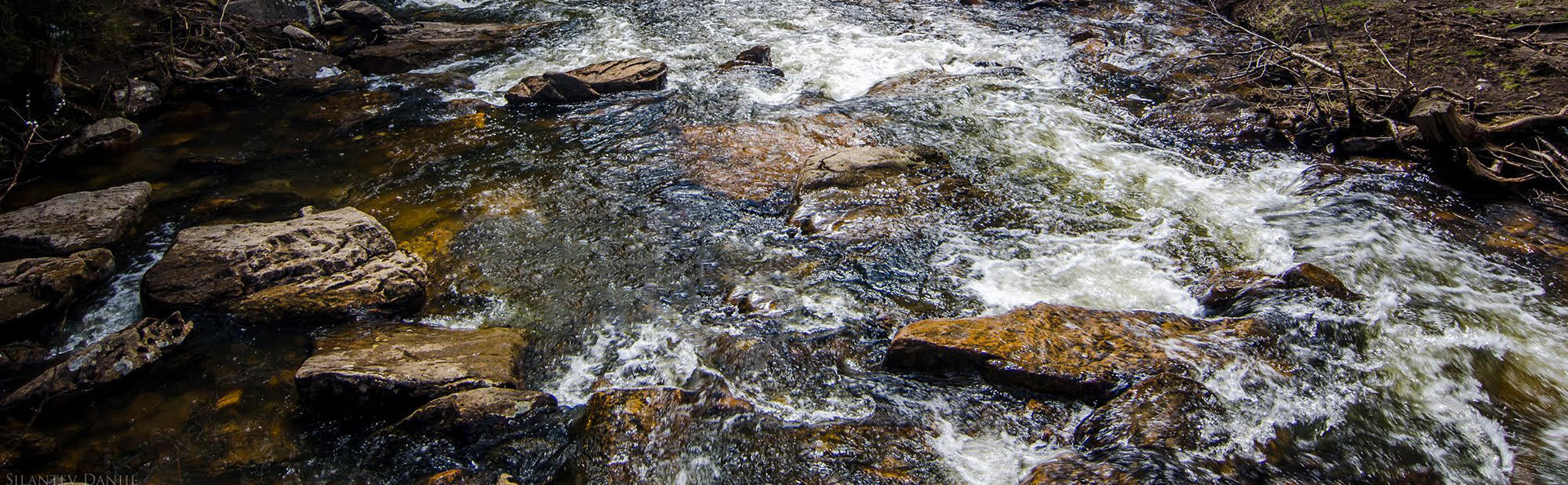
What Can We Learn from Setting Site Water Targets in South Africa and India?
Setting site water targets is a business imperative to reduce water risk and improve water security. Every water catchment has a unique set of water challenges.
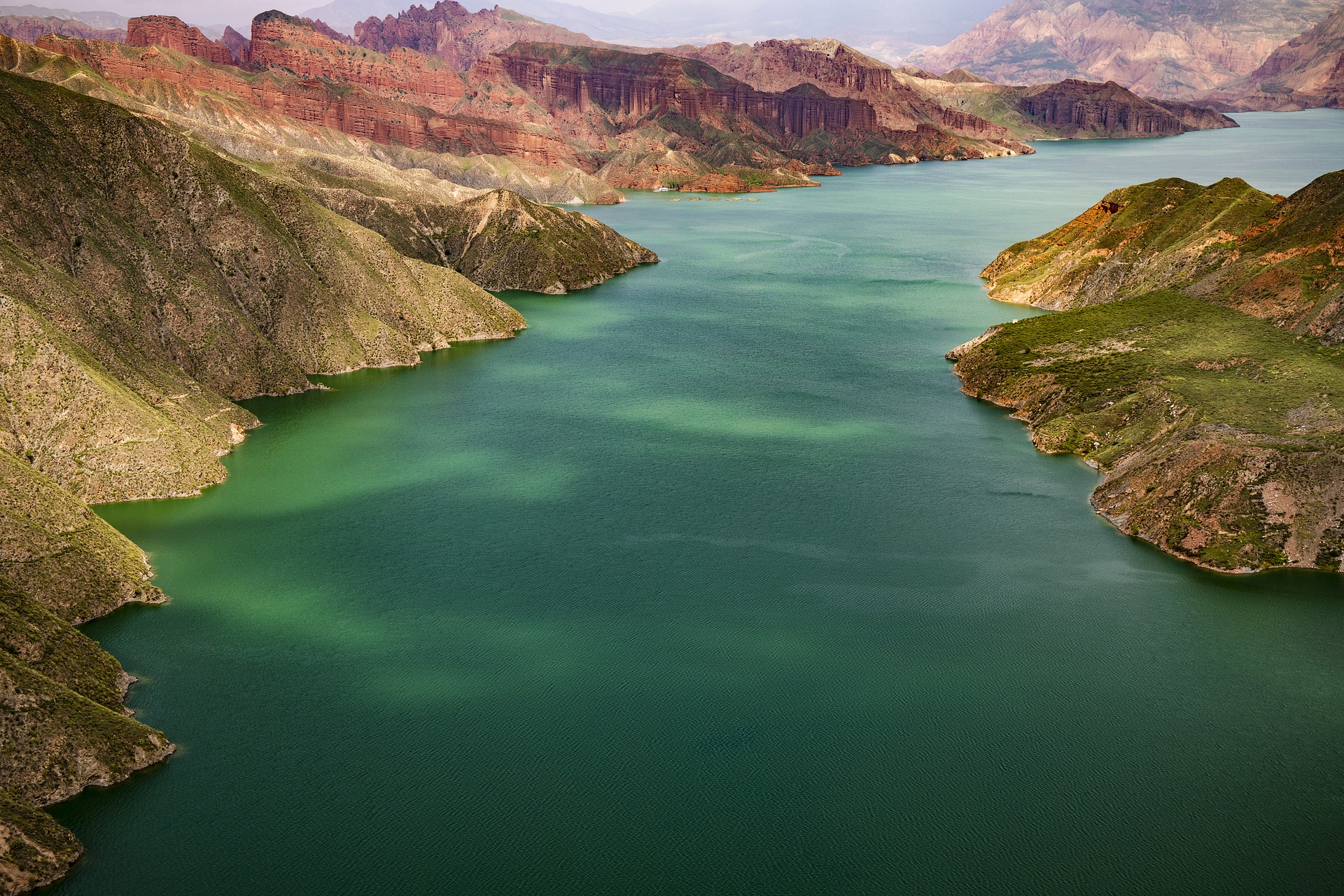
How the Coronavirus Pandemic is Affecting Water Demand
The COVID-19 pandemic has imposed massive health and economic burdens on communities around the world, and no sector of society is going untouched, including the vitally important water sector.
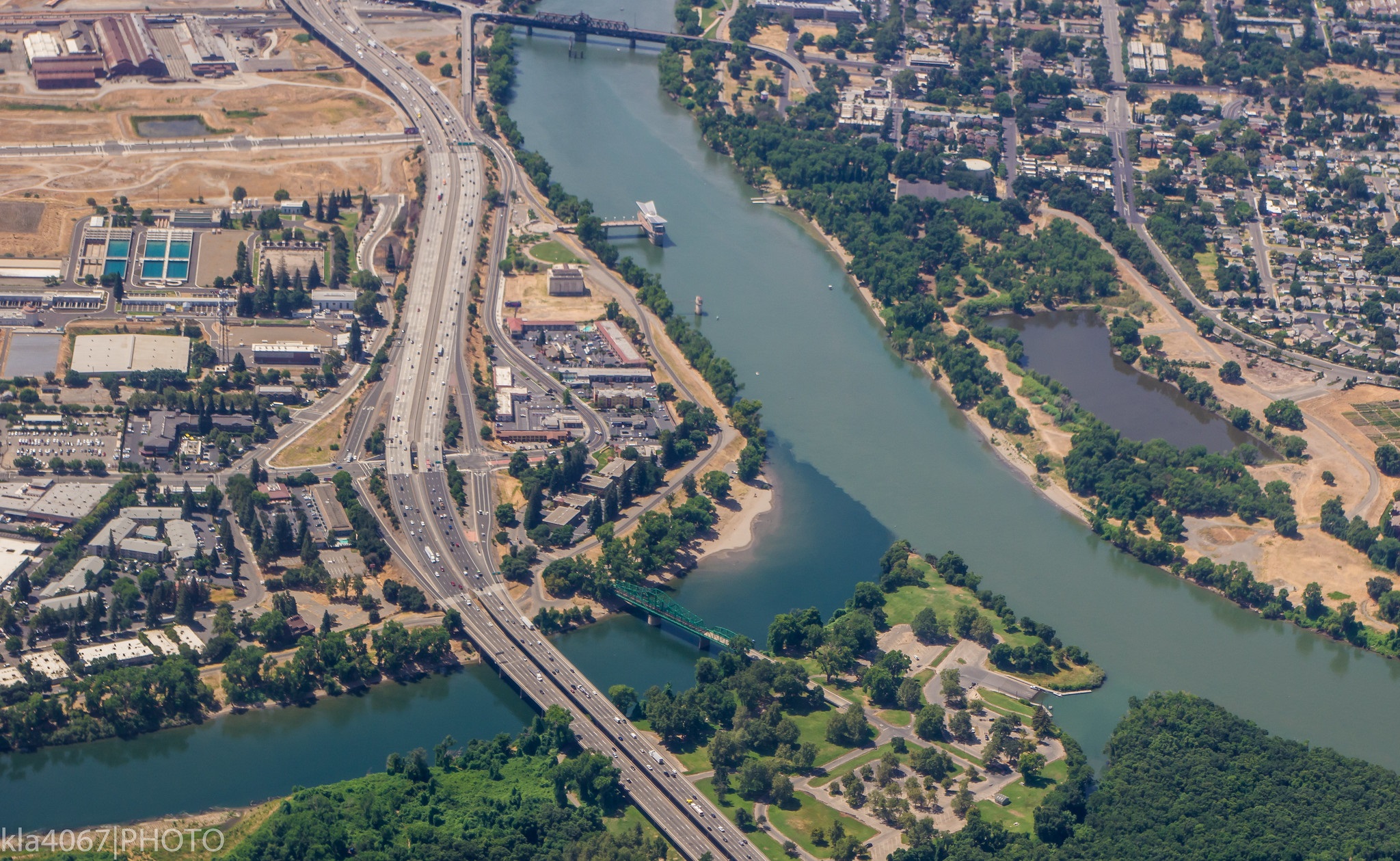
The COVID Crisis is Slashing California’s State Budget. What Does it Mean for Water Management?
It goes without saying that California today, in the throes of the coronavirus pandemic, looks very different from the California of January 2020. Governor Gavin Newsom’s May Revisions to the 2020-2021 state budget reflect this drastic change in circumstance, announcing a $54.3 billion budget deficit and proposing $18 billion in cuts to State funds expenditures.

Water in the Health and Economic Recovery Omnibus Emergency Solutions Act (“HEROES ACT”): May 2020
The newly proposed House of Representative’s emergency supplemental appropriations bill was just released. Among the $3 trillion dollars it allocates are several provisions related to water and wastewater agencies, residential water use, and agriculture.
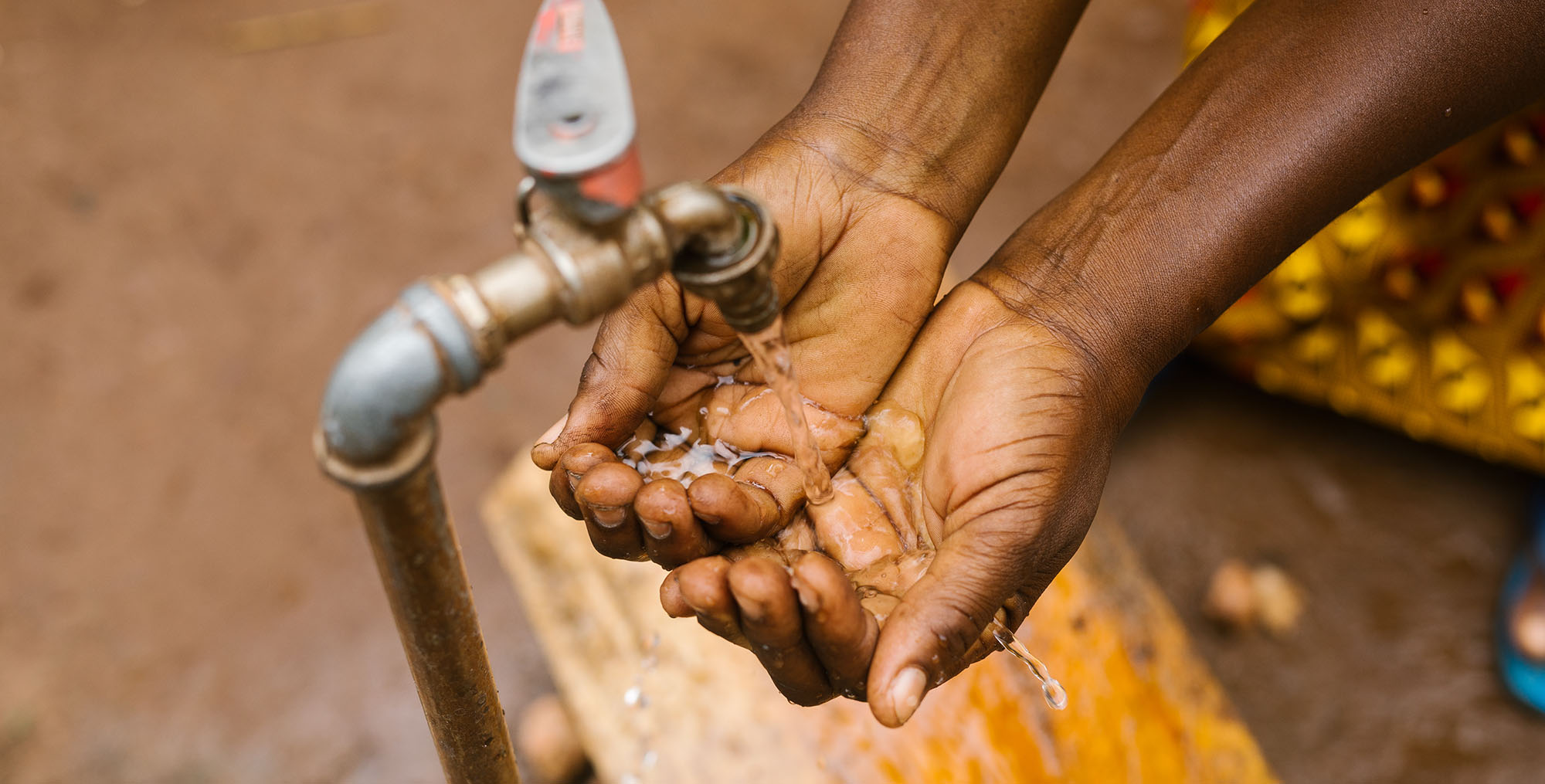
Want to Help Fight COVID-19? List Your Organization’s Work on the Water Action Hub
People around the world are told to wash their hands to “flatten the curve” and slow the spread of COVID-19, but what if you don’t have a sink or tap in your home?