
This section explores the nuances of global water challenges, featuring insights by our researchers, collaborative pieces with our partners, and Q&A styled dialogues with industry experts. It complements our work by providing context, commentary, and a deeper understanding of our research findings.

Blog
5 Ways Data Centers Challenge How We Think About Water Use
October 20, 2026
Growth in artificial intelligence (AI) and other cloud-based computing services is driving an unprecedented expansion of data centers across the globe. As data centers have become much larger and more concentrated, concerns about impacts on water and energy systems have intensified.

Interview
Overcoming Funding Barriers for Water Efficiency with Dr. Emilio Mateo
October 7, 2026
Dr. Emilio Mateo works on the Pacific Institute’s Catalyzing Water Efficiency Investments through Debt Financing Accelerator in partnership with WaterNow. The project team is working with the Bay Area Water Supply and Conservation Agency (BAWSCA) in Northern California and the Pueblo West Metropolitan District (PWMD) in Southern Colorado on alternative ways to fund water efficiency at a larger scale.

Impact Story
The Story Behind Fillmore Gardens
October 1, 2026
Somewhere inside a bathroom at Fillmore Gardens, a senior housing community in Phoenix, a toilet had been quietly running for weeks. No puddle, no drip, nothing to tip anyone off. Just hundreds of gallons disappearing everyday, hidden behind a single shared water meter that made the leak invisible on paper.

Blog
The Colorado River Basin at Night
September 1, 2026
This night sky image (from the NASA Earth Observatory) shows artificial lighting – a rough proxy for population – in the Colorado River Basin and adjacent areas. A close look reveals how few people actually live in the Upper Colorado River Basin.

Interview
More Than a Playground with Dr. Sonali Abraham
August 19, 2026
School campuses are among the largest public spaces in our communities, yet many are still dominated by asphalt that traps heat and sends stormwater into the street. School greening is about reimagining those spaces with trees, gardens, and green infrastructure that make campuses cooler and healthier while capturing stormwater instead of losing it.

Blog
5 Trends Shaping Agricultural Water Use in California
August 6, 2026
California is one of the world's most productive agricultural regions, supplying U.S. and international markets with more than 350 different farm products.

Interview
Behind the Data on Water Conflict with Morgan Shimabuku
July 23, 2026
Morgan Shimabuku co-leads one of the most consequential and sobering datasets in the global water space: the Water Conflict Chronology (now part of the Water and Peace Initiative). It is the world’s most comprehensive open-source record of water-related violence, spanning more than 4,500 years of human history and now documenting over 2,700 incidents where water has served as a trigger, a weapon, or a casualty of conflict.

Blog
Why the Most Important Water Work is the Hardest to Fund
July 13, 2026
Water is increasingly moving from the edges of climate conversation to its center. Droughts are deepening, floods are growing more intense, and the systems communities depend on for clean, reliable water are under more strain every year.

Blog
7 Steps to Integrate Biodiversity into Corporate Water Stewardship
July 8, 2026
With increasing focus on nature-positive actions and global biodiversity targets, companies require guidance, approaches, and tools that extend beyond simply mitifating water risk to providing larger ecosystem benefits.
Blog
5 Key Findings from 60 Years of Water Use in California
June 1, 2026
Water is essential for California, supporting households, agriculture, ecosystems, and the state’s economy. Yet across the state, rivers, streams, and aquifers are stressed from overuse, and climate change and continued growth are increasing pressure on water resources.
Blog
7 Water Efficiency Strategies You Can Use at Home Today
May 14, 2026
Improving water efficiency doesn’t have to be complicated. In fact, many strategies are simple, proven, and available right now.
Blog
Climate Disasters and Federal Funding Uncertainty in 2025 Deepen Threats to Water and Sanitation Systems
April 23, 2026
In 2025, a growing mismatch was evident between escalating climate disruptions to water and sanitation systems and more uncertain federal support.
Blog
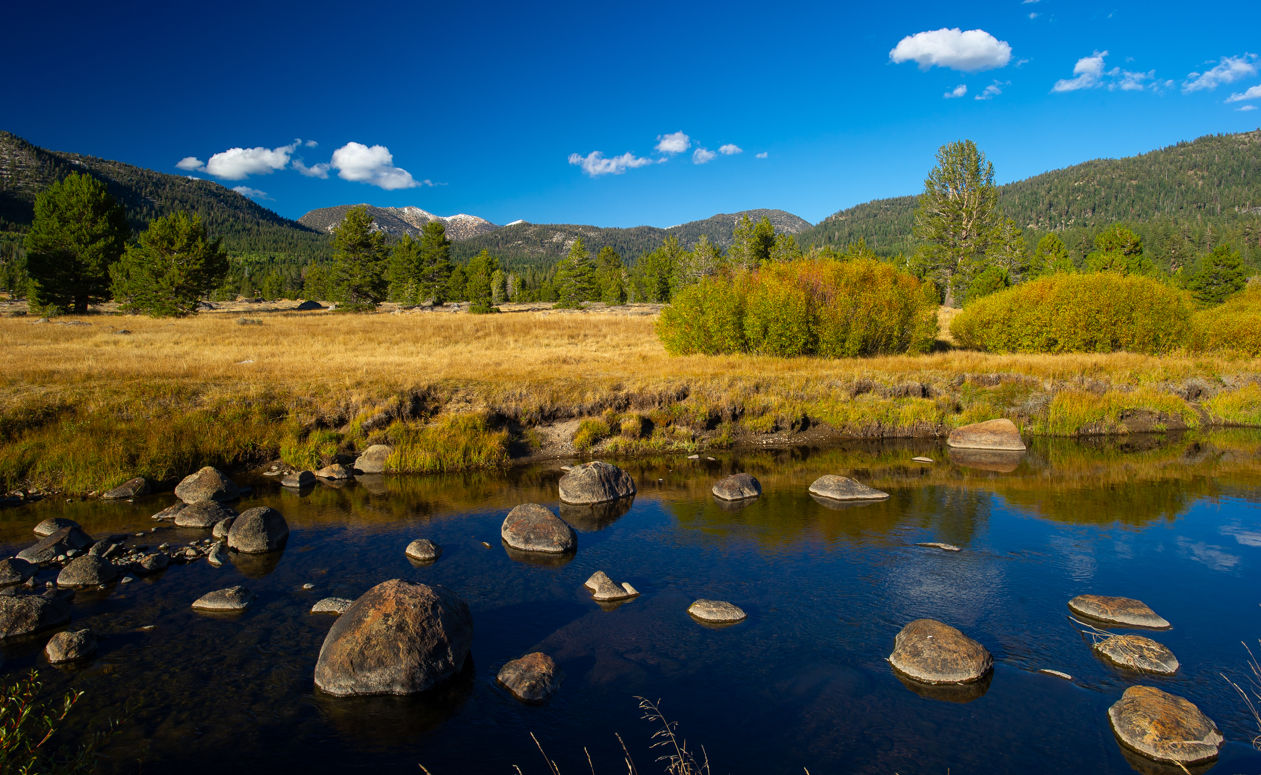
3 Insights to Accelerate Corporate Water Stewardship in California
April 14, 2026
In California, an economically critical region, the evidence of a mounting water crisis is clear. Over the past decade, a group of first movers has shown what is possible with corporate water stewardship.

Blog
5 Ways Climate Change Affects Public Health Through Water and Sanitation
March 31, 2026
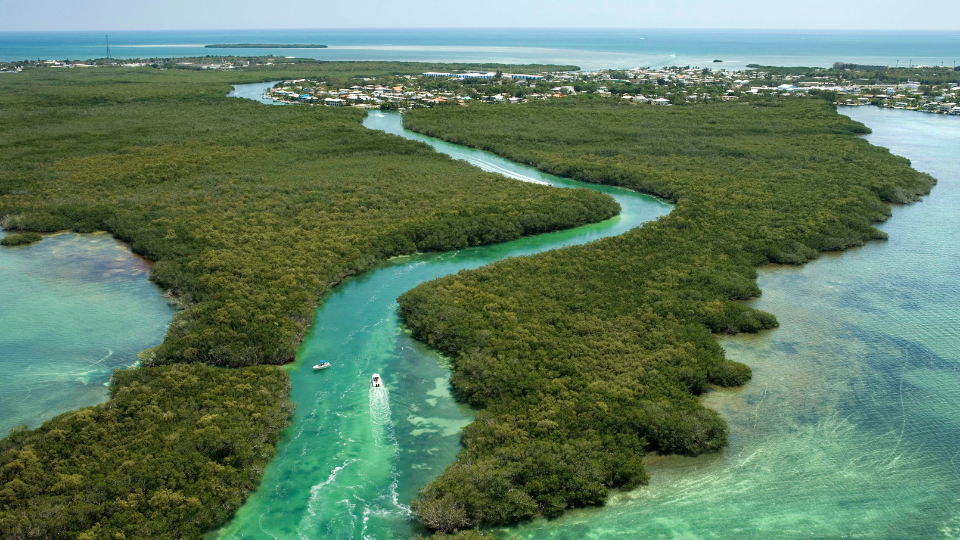
Climate change is intensifying threats to public health by disrupting water and sanitation systems. Hazards such as extreme heat, drought, wildfires, flooding, and sea level rise are increasingly compromising access to clean water and safe sanitation across the United States.
Blog
Equality Begins with Water
March 22, 2026
World Water Day always makes me pause. It is one of the few moments in the year when the world collectively agrees to look at water not as background infrastructure, but as something that shapes people’s daily lives.
Blog
New Salton Sea Research Suggests a Surprising Path Forward
March 16, 2026
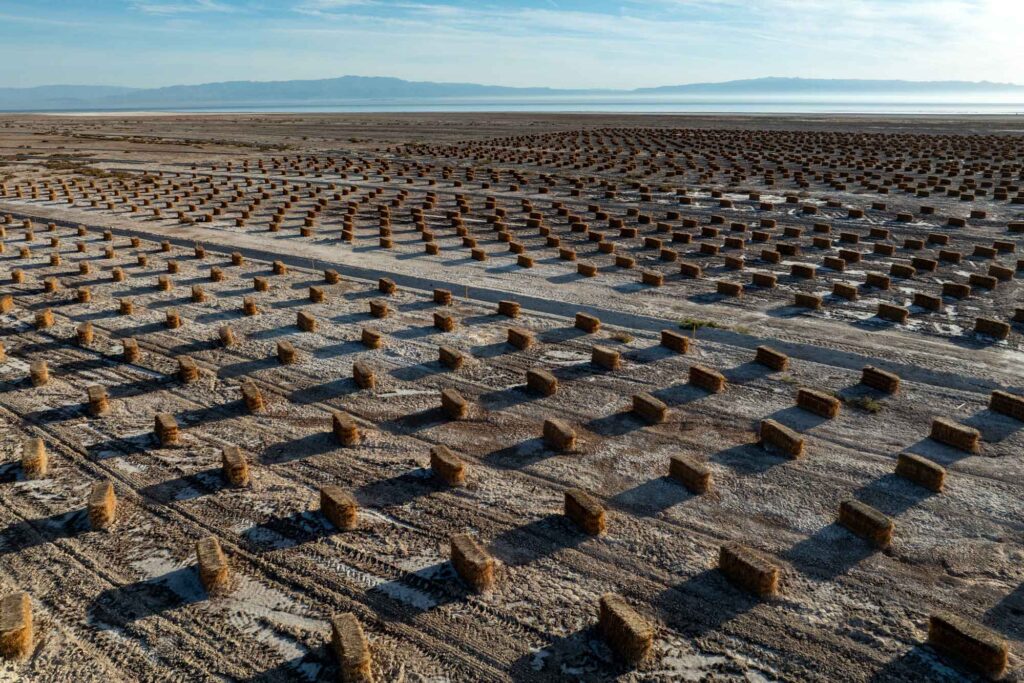
Managing the Salton Sea remains a thorny issue for California. We spoke with Pacific Institute’s Michael Cohen and UC Riverside’s William Porter about recent research that might point toward cost-effective ways to protect public health.
Blog
5 Ways Water Efficiency Builds Resilience in Your Community
March 9, 2026
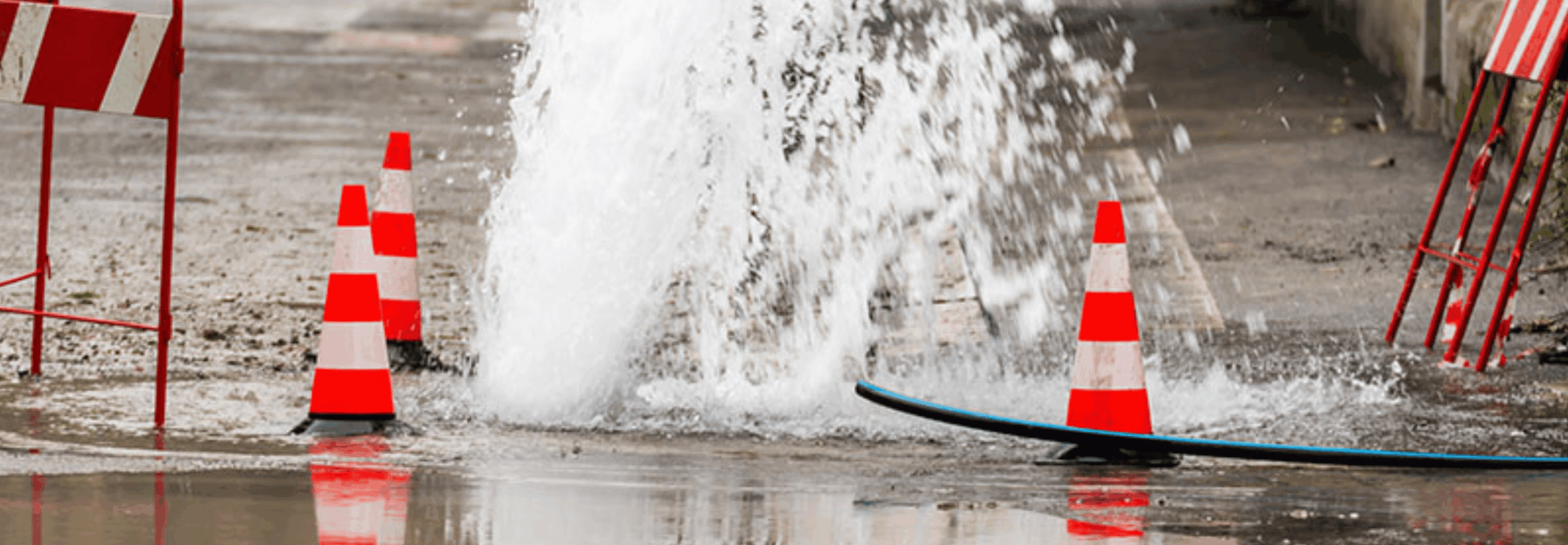
Communities across the United States are facing growing pressures on water systems, including climate change, population growth, aging infrastructure, and rising energy and treatment costs.

Blog
Reflecting on 2025 and the Work Ahead to Strengthen Water Resilience
February 27, 2026
2025 marked a turning point in how water risk is manifesting across the globe. Our most recent update to the Water Conflict Chronology highlights how violence related to water is on the rise, set against the backdrop of worsening climate impacts and aging water systems.

Blog
From Davos: Scaling Business Leadership on Water Resilience
February 20, 2026
At the World Economic Forum Annual Meeting in Davos, I had the opportunity to engage with business, NGO, and government leaders through the Water Resilience Coalition (WRC) Executive Roundtable at a pivotal moment for global water resilience.
Blog
Colorado River Deadlines & Incentives
December 16, 2025
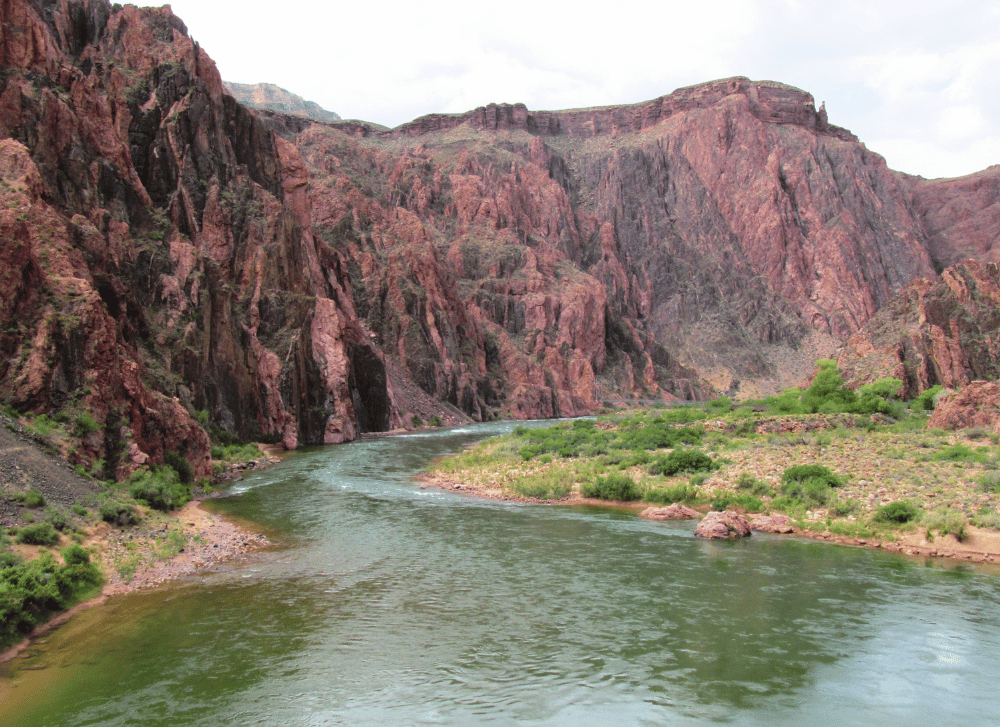
Way back at the end of the last century, at the annual Colorado River conference in Vegas, Marc Reisner repeated the Margaret Thatcher quote that consensus is the absence of leadership...
Page 1 of 17