

As 2025 draws to a close, we sat down with Jason Morrison, President of the Pacific Institute and Head of the CEO Water Mandate, to reflect on a year of progress, the impact that donors made possible, and the work that still lies ahead. From breakthrough research and global partnerships to on-the-ground impact, Jason shares what gives him hope, what challenges remain, and how each of us can help build a water-secure future.
Q1. Looking back on 2025, what stands out to you as the Pacific Institute’s biggest achievements?
Jason: It has been a remarkable year. I am incredibly proud of the breadth and impact of our work across the Institute.
A few moments really stand out. We released a first-of-its-kind national assessment showing the huge potential to save water across the U.S. through efficiency, up to 34 million acre-feet each year, equivalent to up to 30.4 billion gallons each day. That’s the kind of science that reshapes the conversation about what’s possible.
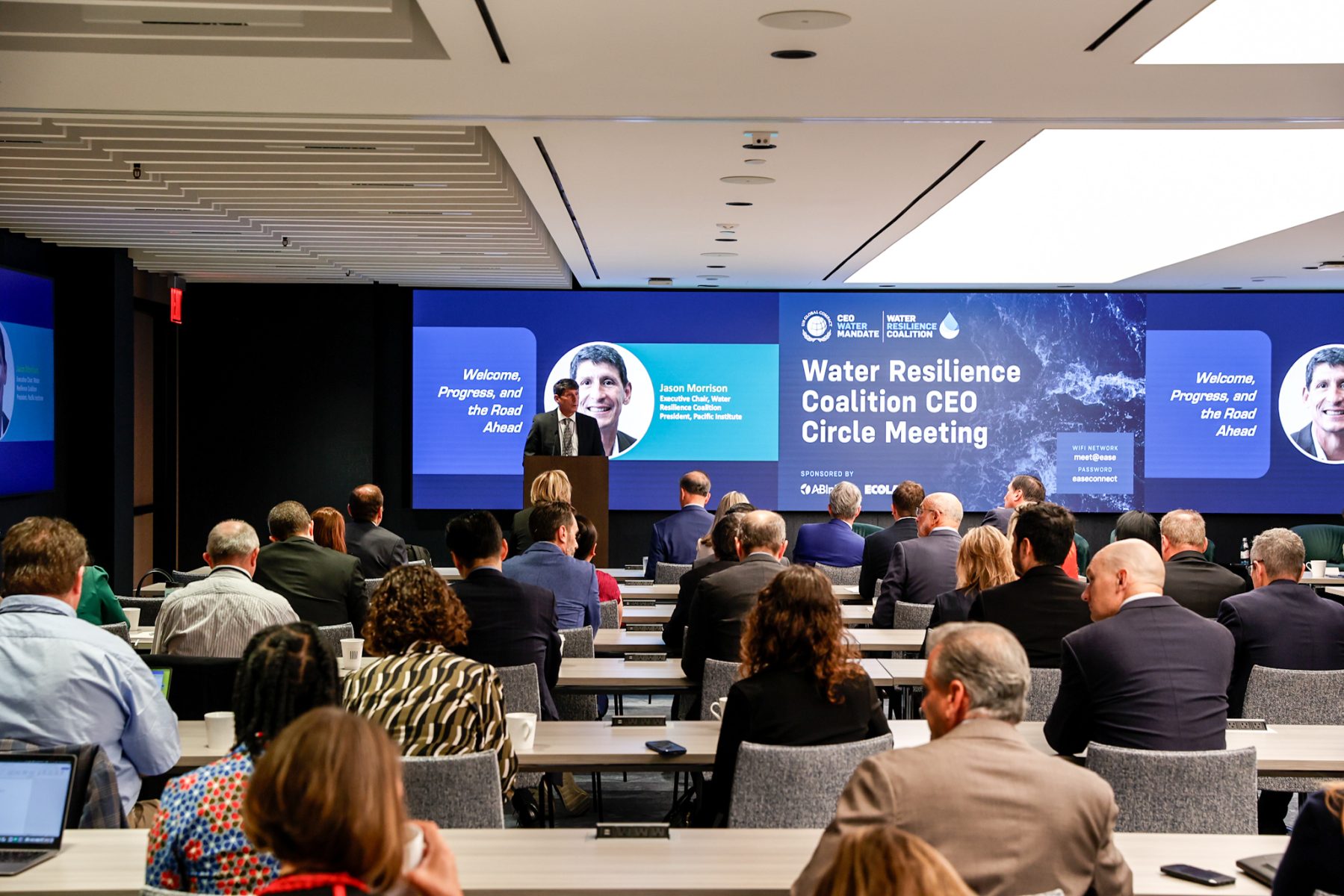
We also launched the Accounting for Nature Program to help governments and businesses measure and scale nature-based solutions. Through the CEO Water Mandate, our partnership with the United Nations Global Compact, we released a powerful new Basin Monitoring Platform at this year’s UN General Assembly. This platform brings science, technology, and collaboration together to make collective water action measurable and transparent.
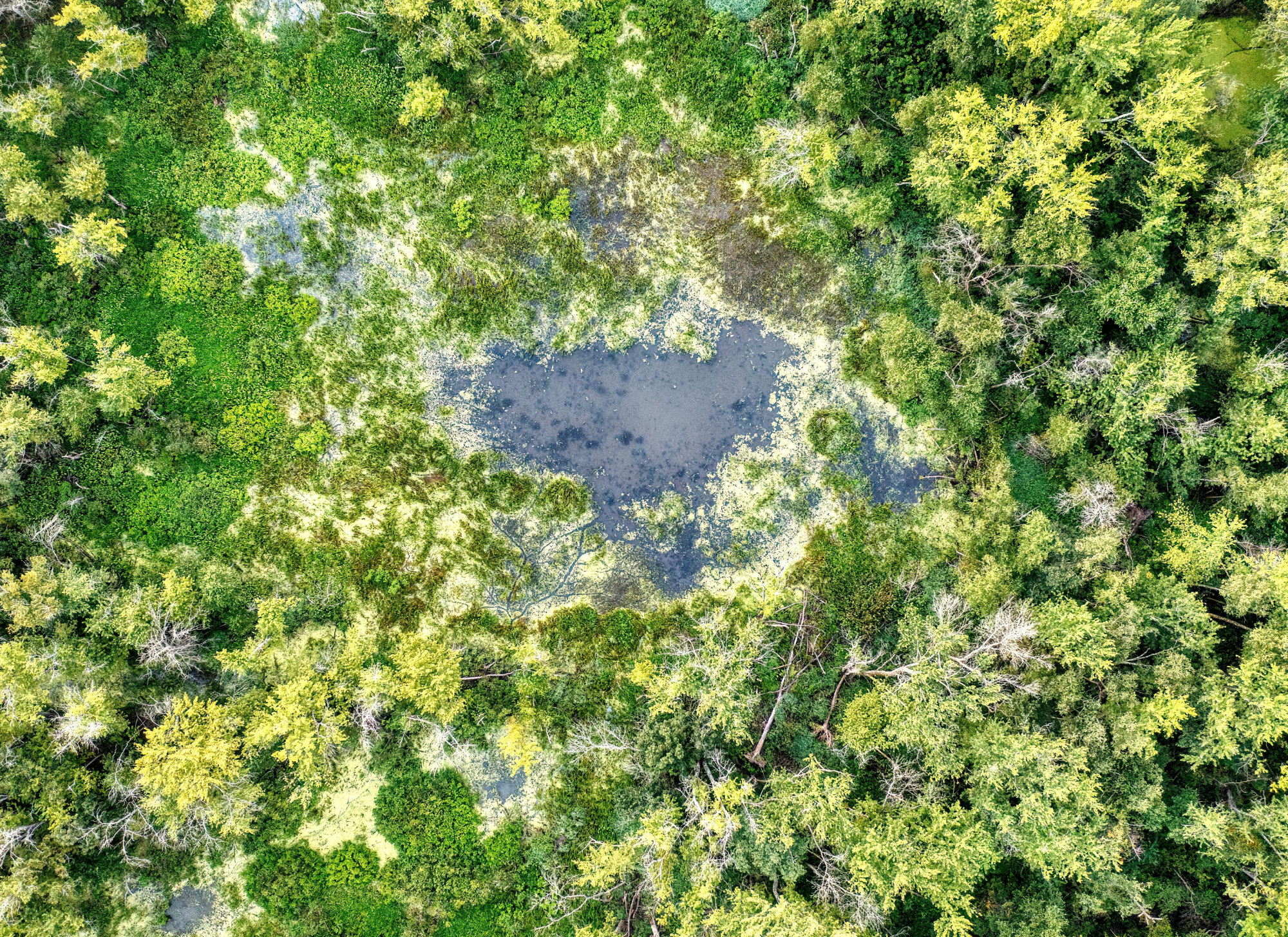
As part of our work in the Salton Sea, located in southeastern California, we launched Breathing Hazard: Air Pollution in the Salton Sea Region. This report exposes growing air-quality risks faced by more than 500,000 residents and calls for urgent action to protect public health.
We also deepened our work with frontline communities through our partnership with DigDeep and the Center for Water Security and Cooperation. Together, we released two national assessments as part of the Water, Sanitation, and Climate Change in the United States series. These assessments offer actionable strategies to strengthen climate resilience for communities across the country.
Our ongoing Water Conflict Chronology was also expanded this year, adding over 800 new entries, including 420 for 2024 alone, bringing the database current through mid-2025. The Water Conflict Chronology continues to be the most comprehensive global record of water-related conflicts to date.
Closer to home, we celebrated 10 years of the California Water Action Collaborative and hosted the Third Annual California Water Resilience Forum. The anniversary and forum are both reminders of how much can be achieved when public, private, and nonprofit partners unite around shared water goals.

Finally, our voice was prominent at key global forums. From the World Economic Forum and Stockholm World Water Week to UNGA 80, and WEFTEC, we continued to elevate the conversation around corporate water stewardship, climate resilience, and equity on the world stage.
Q2. This year brought both hope and urgency on water issues. Where are you seeing the greatest progress, and the greatest risks?
Jason: We are seeing growing awareness that water is not a standalone issue. It is interconnected with climate, biodiversity, energy, and equity. That’s real progress. More companies are setting science-based water targets. Governments are investing in climate resilience. And communities are leading local innovation, from rural water systems to nature-based restoration.
At the same time, the urgency has never been greater. This year, scientists confirmed that the Earth has crossed a major climate tipping point with warm-water coral reefs now facing irreversible decline. The water cycle itself is becoming more erratic, swinging between extremes of drought and deluge. Deadly floods swept through Pakistan, fueled by glacial melt and record-breaking monsoon rains, while Europe faced its most widespread flooding in over a decade. In the United States, devastating wildfires in the Los Angeles region once again underscored how prolonged heat, drought, and water scarcity are fueling climate extremes at home. Meanwhile, prolonged megadroughts continue to intensify across regions from the American West to East Africa, jeopardizing agriculture, ecosystems, and livelihoods. Each of these events is a warning that we are edging closer to irreversible thresholds. The urgency to act has never been clearer.
Clearly, the science tells us the window for action is narrowing. But what gives me hope is the energy I see across our partners and donors to move faster, together.
Q3. The Pacific Institute is known for turning science into solutions. What makes this approach unique, and why does it matter now more than ever?
Jason: Our strength lies in the bridge we build between scientific research and real-world implementation.
For nearly four decades, we have combined data, policy analysis, and partnerships to create actionable solutions. Whether it is helping utilities design equitable water programs or guiding companies to invest in shared water resilience, our work connects the dots between science and impact.
And that bridge matters now more than ever. The challenges we face – climate disruption, inequity, and resource scarcity – can’t be solved by any one sector alone. It takes credible research, cross-sector collaboration, and sustained commitment. That’s where donors and partner support make the difference.
Q4. The organization released several major reports and initiatives this year. Which one do you feel will have the most long-term impact?
Jason: It is hard to choose, but the Basin Monitoring Platform really represents a leap forward.
For years, we have talked about the need for better data and accountability in water stewardship. This platform makes that possible. It integrates remote sensing, satellite imaging, and on-the-ground data to track basin health across six dimensions which are quantity, quality, WASH (water, sanitation and hygiene), ecology, governance, and resilience.
It’s not just a tool, it’s a new way of working together. It helps align efforts, prioritize basins that need attention, and track whether interventions are having an impact. In other words, it moves us from intent to accountability.
Q5. Even with this progress, what work still needs to be done?
Jason: A lot! And that’s what keeps us motivated.
We need to move from project-level solutions to systemic transformation. That means scaling water efficiency and resilience across entire regions, not just pilot sites. It means ensuring that every community, urban or rural, frontline or affluent, has access to safe, affordable water and sanitation. It means mobilizing private sector investment for collective action toward nature-based and climate-resilient solutions.
And we still have to address the inequities in how water data and resources are shared. One of our goals for 2026 is to open-source actionable information that can drive water resilience.
The good news is that we know how to do it. We just need the resources to go faster.
Q6. How can individuals and organizations engage with the Pacific Institute’s mission?
Jason: There are so many ways to get involved. And first, I want to say thank you. Our partners and donors make this work possible. Every collaboration, every contribution, and every act of trust results in real-world impact.
Start by learning. Subscribe to our newsletter, follow our work, and stay informed about the latest research and innovations.
Then engage. Read our reports, join us at events, and share what you learn within your networks. Awareness is the first step toward impact.
And last but certainly not least, donate. Our work is only possible through collective generosity. Every contribution helps us expand our research, strengthen partnerships, and implement solutions that make a tangible difference for communities and ecosystems around the world.
Q7. As we head into 2026, what gives you hope?
Jason: The people. Always the people. Especially the team at the Pacific Institute and our partners.
We are a small team creating such a big impact in the water and climate world. Some of our staff have been with us for more than 30 years, carrying deep institutional knowledge, relationships, and wisdom that ground everything we do. Some are newer, bringing fresh energy, creativity, and bold ideas. The combination of our team members’ unique perspectives makes us exceptional.
I am also inspired by our partners, our community of supporters, and the next generation of water and climate leaders who are stepping forward with purpose. Across every project we lead, water is not just a technical issue. It is a human one.
What gives me hope is that we are not just responding to water crises anymore. We are designing the systems, partnerships, and innovations that can prevent them.
If we stay focused, collaborative, and driven by science and compassion, I truly believe we can secure water resilience for people and the planet.