

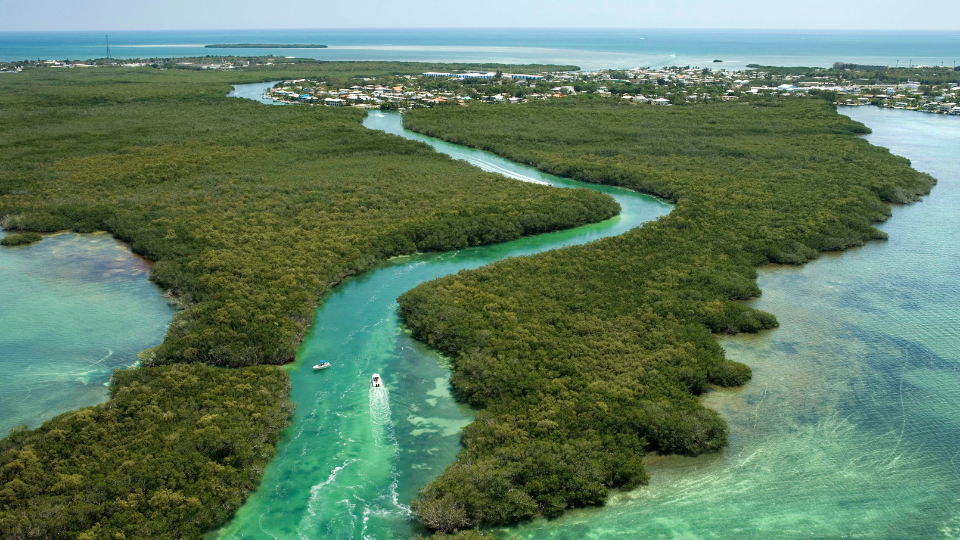
World Water Day always makes me pause. It is one of the few moments in the year when the world collectively agrees to look at water not as background infrastructure, but as something that shapes people’s daily lives.
This year’s theme, “Where water flows, equality grows,” puts a bright light on something we do not say plainly enough. The global water crisis affects everyone, but not equally. Women and girls often carry the heaviest burden when safe water and sanitation are unavailable, and they are too often missing from the decisions that shape water services and investments.
The data is stark. 1.8 billion people live in households without water on the premises, and when water must be collected, women and girls are primarily responsible in 7 out of 10 households. That time cost is not a small inconvenience. It is hours taken from school, paid work, rest, and community leadership. Water security is an equality issue because time, safety, and opportunity are equality issues.
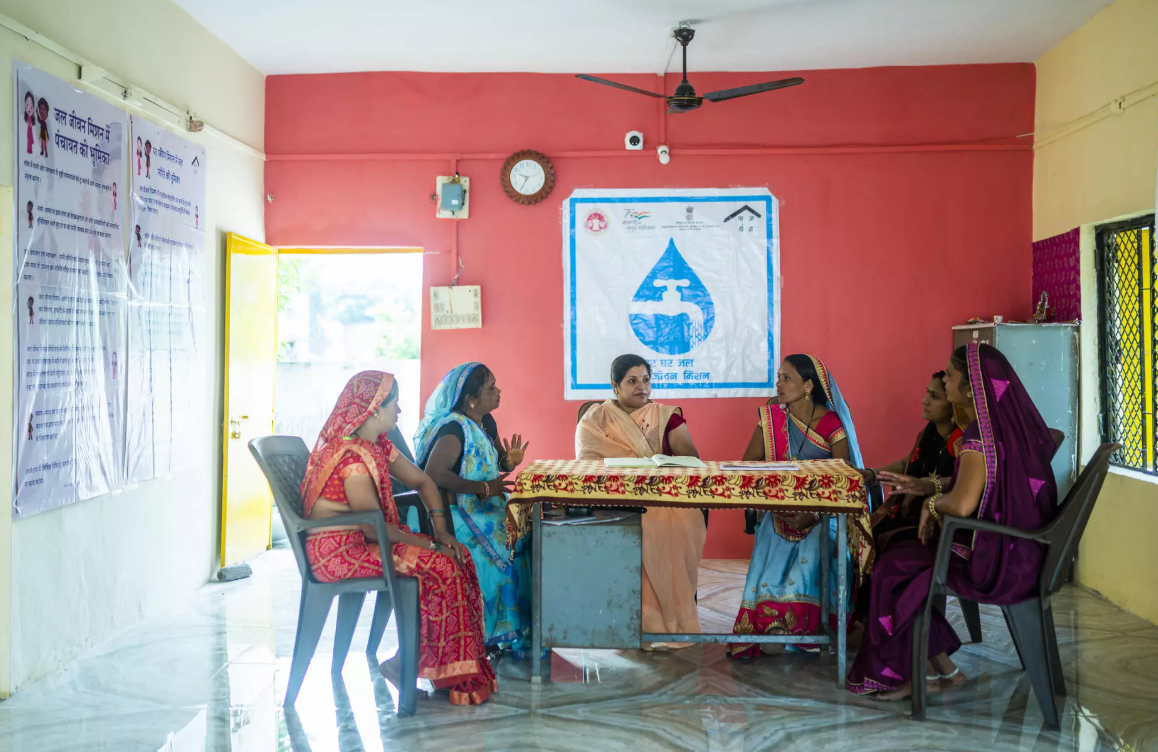
I have seen, again and again, that when women are at the center of water solutions, the results are stronger and longer lasting. That is why I am proud of the Pacific Institute’s role in supporting the Women + Water Collaborative in partnership with WaterAid. This collaborative is a collective action initiative in India that aims to improve health, livelihoods, and climate resilience in water-stressed communities. It brings partners together around shared goals to expand access to safe water and sanitation while strengthening women’s leadership and participation.
This work builds on what came before. The earlier Women + Water Alliance supported millions of people in India in improving access to water and sanitation, showing what is possible when commitments are matched by local partnership and long-term follow-through.
Equality through water is not only a global story. It is also a local one.
Here in the United States, climate change is putting water and sanitation systems under growing strain through extreme temperatures, floods, wildfire impacts, and aging infrastructure. The burdens fall hardest on frontline communities, which are rural, low-income, and under-resourced communities that often have the least capacity to plan for, fund, and recover from climate-driven shocks.
The Pacific Institute’s Water and Climate Equity work is designed for this reality. We use a collaborative, co-production approach working with nonprofit and community-based organizations and their networks so that the research, decision-support information, and tools we develop meet the needs of the communities most affected by water insecurity.
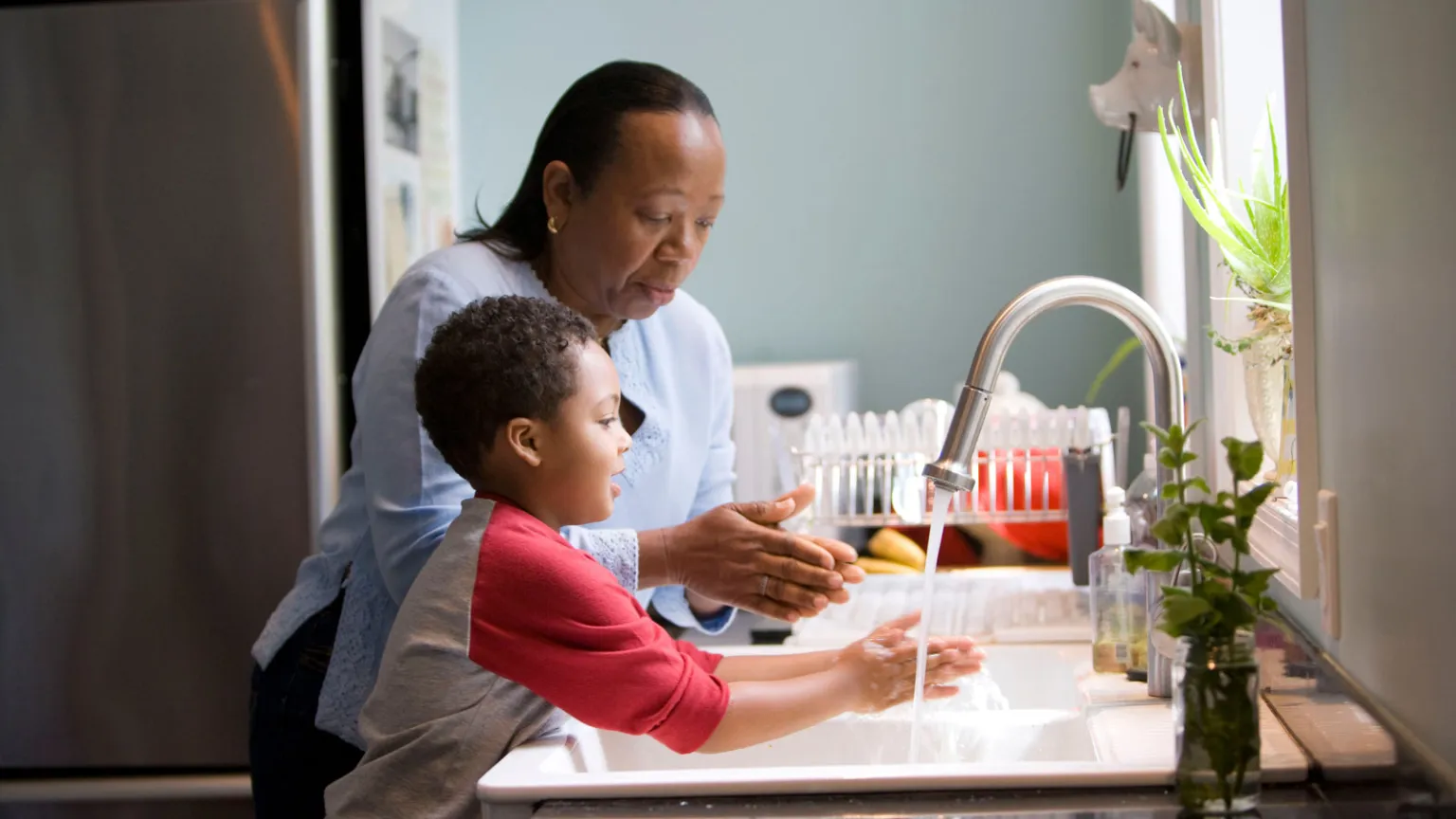
That includes community-centered work focused on rural water and wastewater systems, where affordability challenges, limited technical capacity, and aging infrastructure collide with escalating climate risks. Our aim is practical, which translates into helping communities strengthen resilience with evidence-based strategies rooted in local knowledge and leadership, and then scaling what works so more communities are better prepared.
When I step back, the thread across all of this is clear. Where water flows, equality grows, but water does not flow equitably on its own. It takes policy choices. It takes investment. It takes partnerships that are willing to share power, not just share credit. And it takes centering women, not as a talking point, but as leaders, professionals, decision-makers, and designers of solutions.
That is why the upcoming 2026 UN Water Conference matters so much. It is a global opportunity to accelerate progress on SDG 6 and to treat water as the backbone of health, climate resilience, and equality, not a sector silo.
My call this World Water Day is simple. Let us arrive at that conference ready to act, ready to scale what works, to invest in the communities most at risk, and to make gender equality a design requirement in water and sanitation solutions everywhere.
Where water flows, equality can grow. Let’s build the conditions for it.