

This section explores the nuances of global water challenges, featuring insights by our researchers, collaborative pieces with our partners, and Q&A styled dialogues with industry experts. It complements our work by providing context, commentary, and a deeper understanding of our research findings.


Gaining Support from Key Local Stakeholders to Advance High-impact Water Affordability Policies in the United States
The Pacific Institute, Corvias Infrastructure Solutions (CIS), the University of California Los Angeles (UCLA) Luskin Center for Innovation, and the University of North Carolina (UNC) Environmental Finance Center are collaborating on The Water Research Foundation (WRF) project 5179, Feasibility and Applicability of Emerging Utility-Led Innovations in Addressing Affordability, which documents emerging innovations and strategies for advancing utility-driven affordability efforts in the United States.
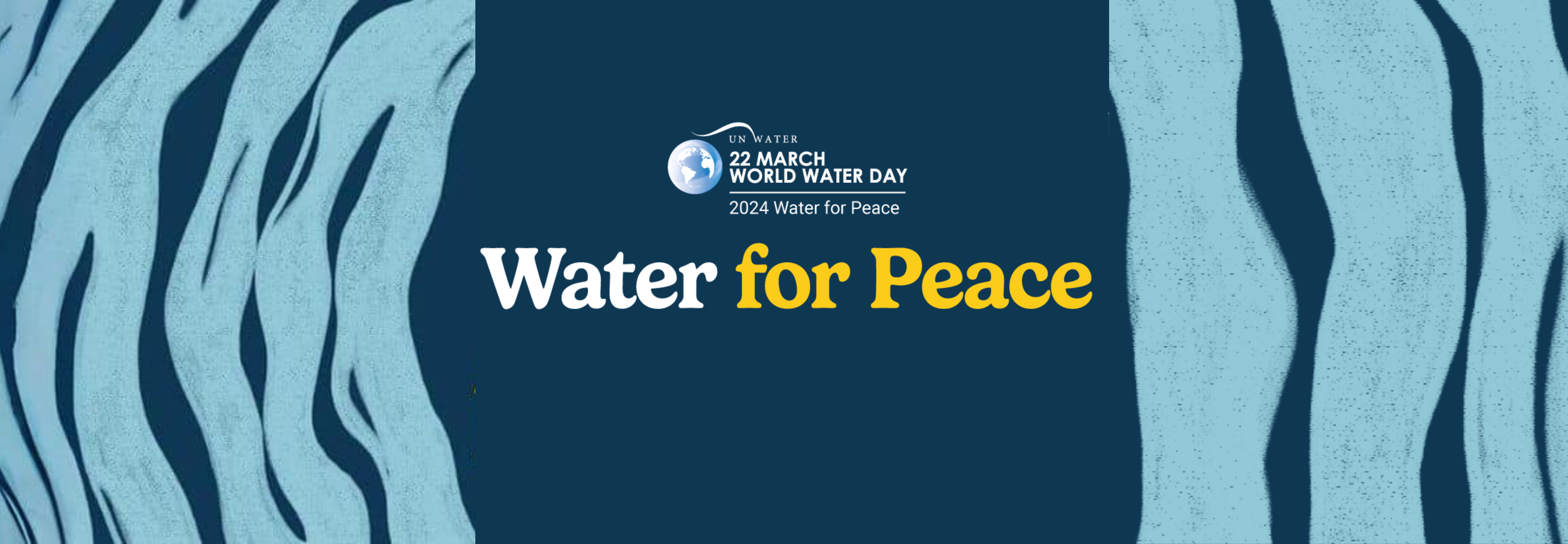
Pacific Institute Reflects on World Water Day Theme: Water for Peace
This year, World Water Day focuses on leveraging water for peace. At the Pacific Institute, we approach every day focused on water.
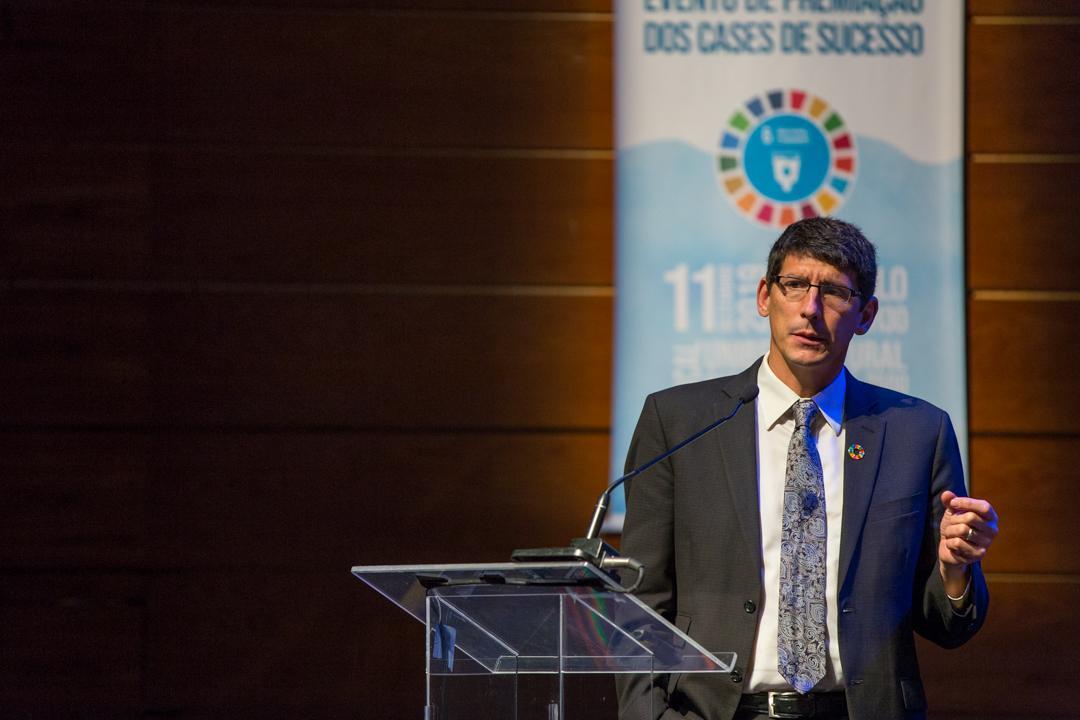
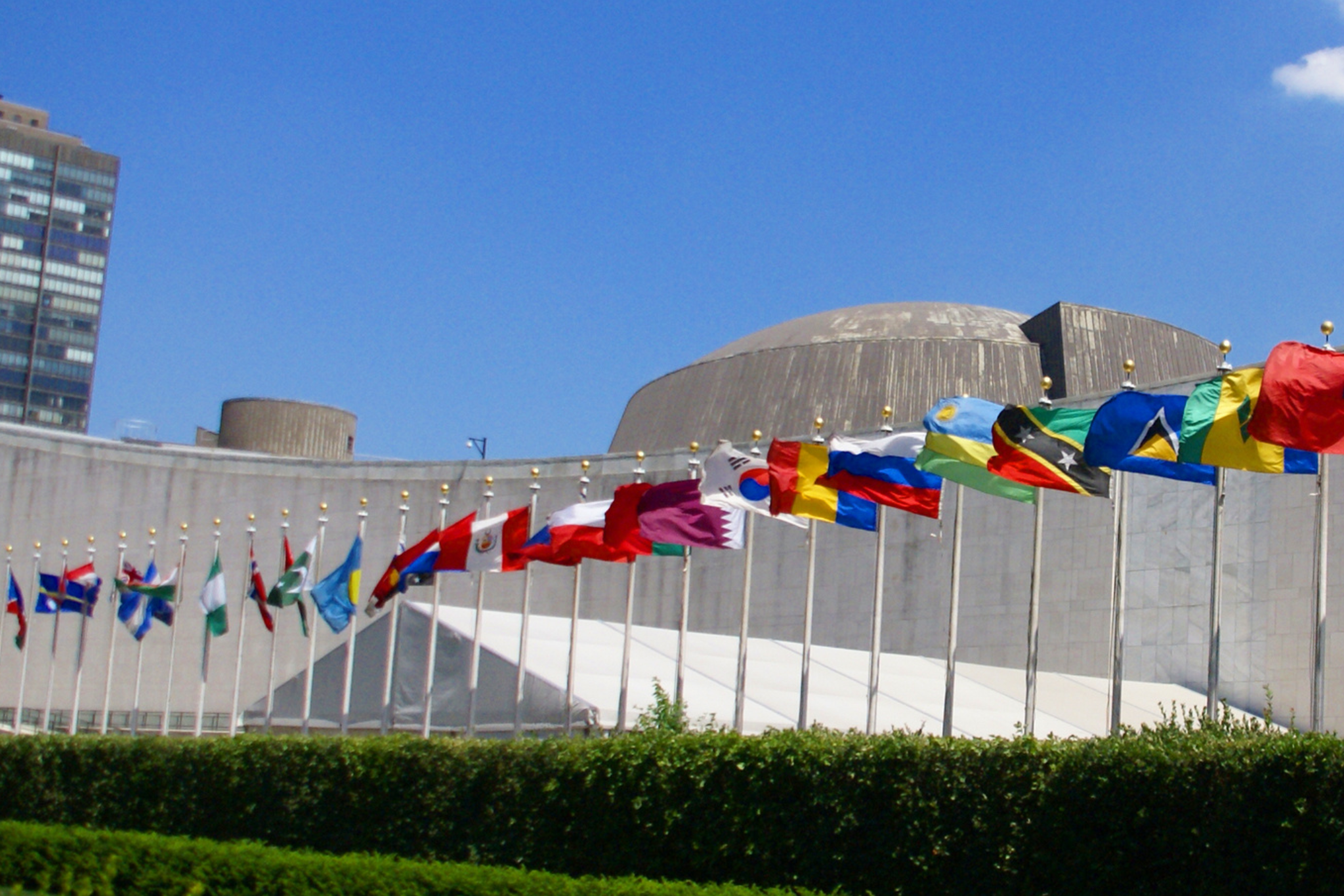
A Look Back at United Nations General Assembly Week in New York, a Key Moment to Mobilize the Private Sector on Water-Climate Resilience
The Pacific Institute, at its core, works towards creating and advancing solutions to the world’s most pressing water challenges. The urgency need for this work was prominently underscored during the 78th United Nations General Assembly (UNGA) week in New York City in September.
Dr. Peter Gleick Calls for a New, More Resilient ‘Third Age of Water’ in New Book
One out of every five Americans—approximately 60 million people—live in rural areas that provide critical water, energy, food, resources, and recreational opportunities for the entire country. Many of these Americans live in frontline communities—those that experience climate change impacts on their water systems “first and worst” due to a combination of socioeconomic, geographical, and infrastructure characteristics.
Creative Co-Funding for Positive Water Impact
One out of every five Americans—approximately 60 million people—live in rural areas that provide critical water, energy, food, resources, and recreational opportunities for the entire country. Many of these Americans live in frontline communities—those that experience climate change impacts on their water systems “first and worst” due to a combination of socioeconomic, geographical, and infrastructure characteristics.