

This section explores the nuances of global water challenges, featuring insights by our researchers, collaborative pieces with our partners, and Q&A styled dialogues with industry experts. It complements our work by providing context, commentary, and a deeper understanding of our research findings.

With Another Dry Year Looming, California Moves to Set New Urban Water Use Standards
In November, amid the deepening drought, the DWR and the State Water Resources Control Board (SWRCB) issued joint recommendations to the California State Legislature for new indoor residential water use standards, along with a study supporting the recommendations (hereafter the Indoor Residential Water Use Study, or IRWUS).
COP26: A Bold Step Forward for the Water Resilience Agenda
With the 26th UN Climate Change Conference (COP26) now in the rearview mirror, three things are clear: 1) the water agenda received significantly more attention than previous COPs, 2) resilience and adaptation are gaining powerful traction alongside climate mitigation, and 3) the corporate sector has the opportunity to lead in this critical next stage of the climate crisis by turning commitments into tangible action.
The U.S. Infrastructure Plan: Water Components
On November 5, 2021, the U.S. Congress passed President Biden’s major infrastructure bill, HR 3684, the $1.2 trillion ‘‘Infrastructure Investment and Jobs Act.” The President is expected to sign the bill into law. The bill is the largest single federal investment in infrastructure in a generation, with the funds to be expended over five years…
Pacific Institute Launches Water Resilience Issue Brief, Calls on Decision-makers to Rapidly Scale Water Resilience Solutions in Build-Up to COP26
Never before have the global water and climate agendas been so closely linked. More than 30 years ago, the Pacific Institute made some of the earliest projections about how climate change would wreak havoc on the water cycle. Today, we see many of these impacts before our very eyes. Amid climate change, intensifying floods and droughts have affected people, nature, and economies.
Building Resilience Faster at World Water Week 2021
As the co-secretariat of the UN Global Compact’s CEO Water Mandate, the Pacific Institute is pleased to be a leading contributor at the upcoming World Water Week.
Shortage Declaration in the Colorado River Basin Takeaways
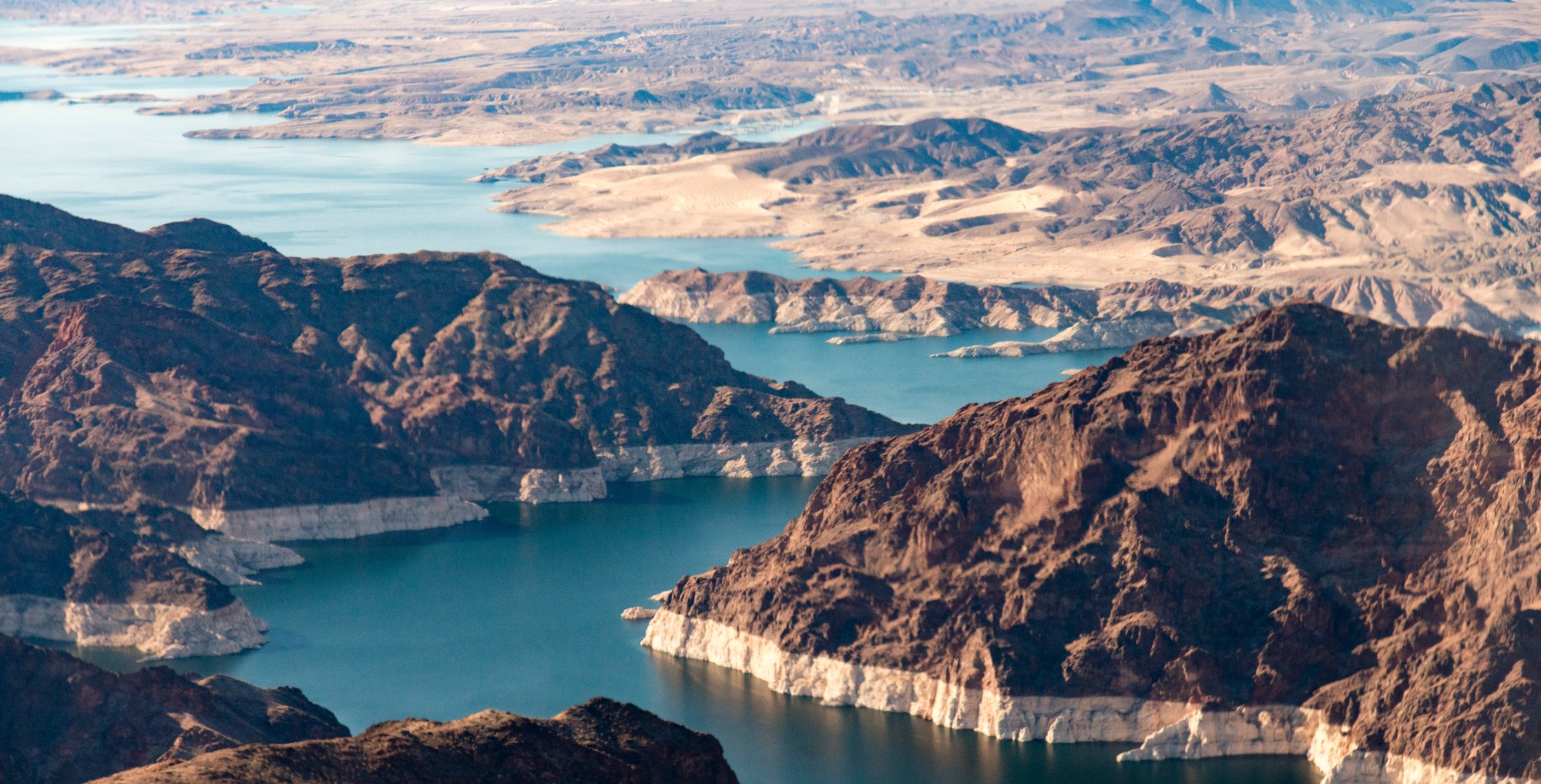
Today, the US Secretary of the Interior declared a first-ever Shortage Condition for the Lower Colorado River Basin. After more than 21 years of drought in the western United States intensified by human-caused climate change, the Bureau of Reclamation has released a study projecting that the elevation of Lake Mead will be below an elevation triggering a Tier 1 Shortage Condition that will reduce water access to some users starting in January 2022. It’s a historic move sending reverberations throughout the water policy world — both within the United States and globally.
All Together Now? Differences in Water Shortage Conditions Across California
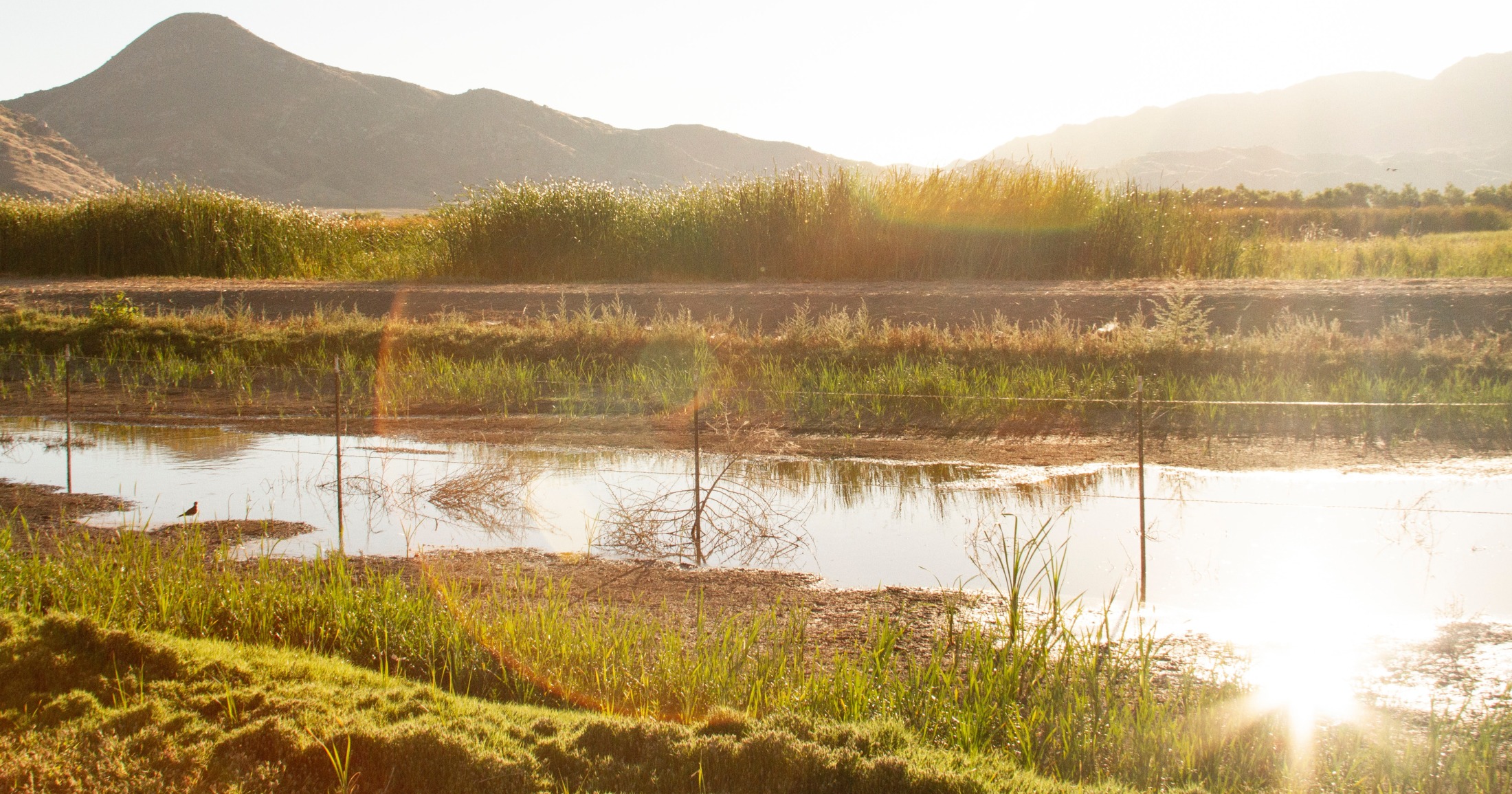
California is back in a drought. You’ve heard it on the news, you’ve heard it from scientists, and they’re right — 100% of the state is in at least moderate drought. Yet, California Governor Gavin Newsom has yet to declare a statewide drought emergency, instead opting for county-level declarations — 50 of 58 counties have been declared so far this year.
The 2021 Western Drought: What to Expect as Conditions Worsen
The American West has entered another drought crisis, with nearly the entire region (97 percent) facing abnormally dry conditions and over 70 percent of the region already in severe drought. State and local leaders are making emergency declarations. Water allocations are being slashed. We are already seeing fish die-offs and domestic wells running dry — and the dry season is just beginning.
The Impacts of the Pandemic Remain for Small Water Systems and Customers In-Debt
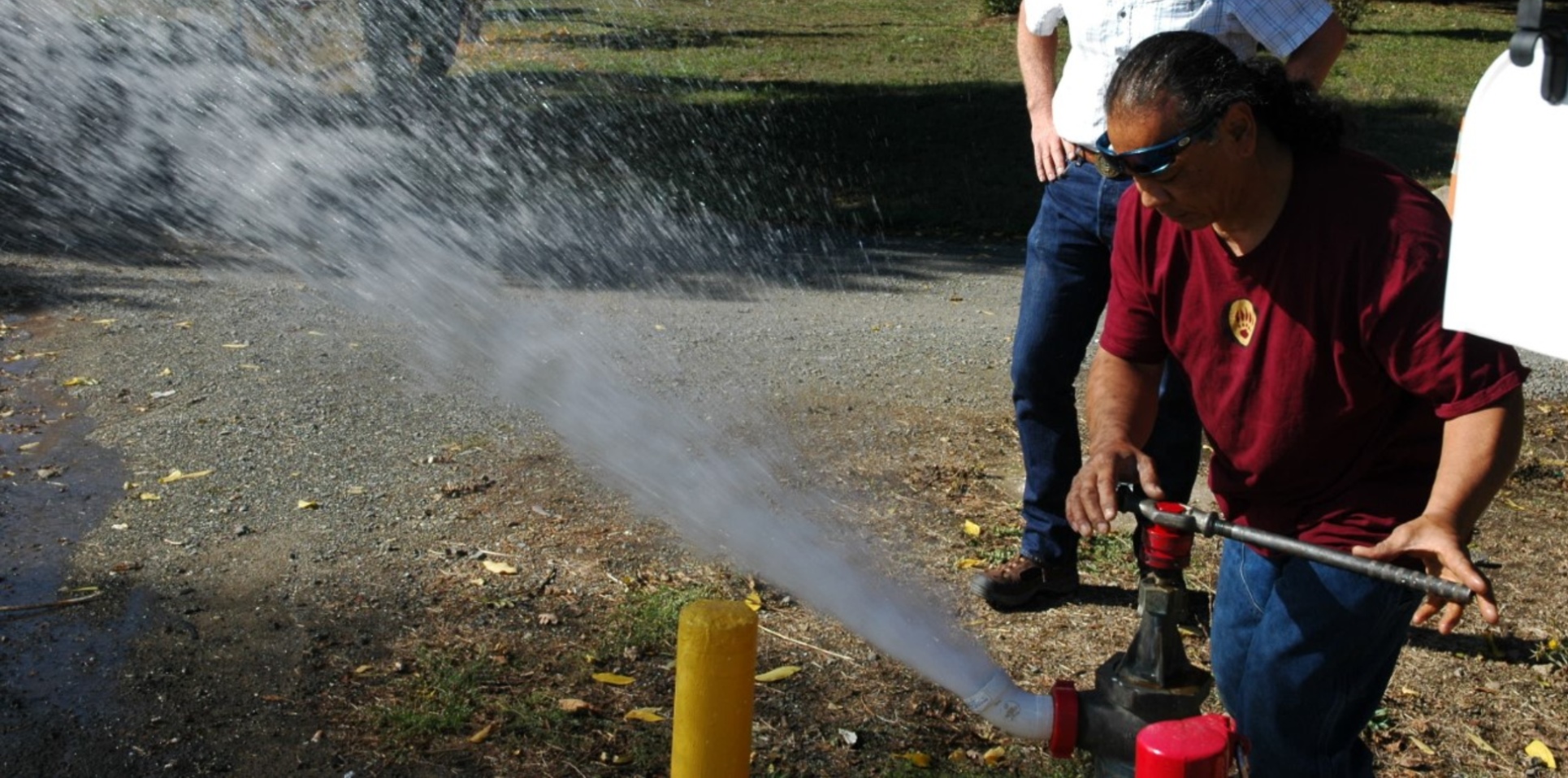
In the U.S., the vital responsibility of continuing safe water supply during the pandemic is decentralized, spread among nearly 50,000 community water systems. More than 45,000 of these are small community water systems (SCWS), serving fewer than 10,000 people each. Together, SCWS provide water to more than 53 million people — 18 percent of the national population — across urban and rural areas, on tribal reservations, in the midst of larger utilities in huge metropolises, and in growing communities.
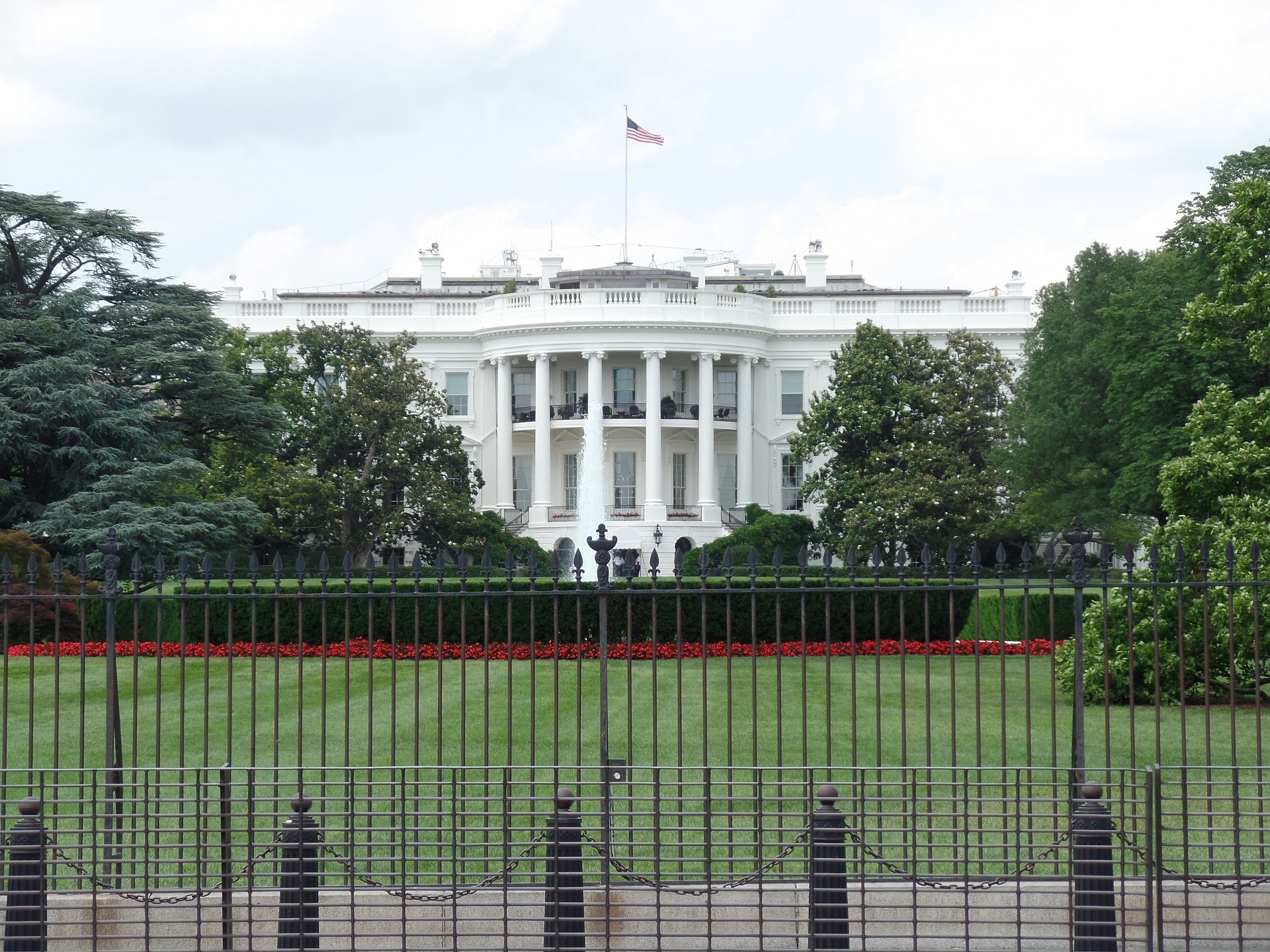
Biden Infrastructure Plan: Water Components
Earlier today, President Biden announced the first components of his proposed $2 trillion national infrastructure plan to rebuild failing, aging, and outdated water, energy, transportation, and communications systems. While the current information provides only the broadest outlines of his proposals, and the details will have to be worked out in specific legislation to be debated in Congress, it is clearly the most ambitious plan to have been put forward in many years.