
This section explores the nuances of global water challenges, featuring insights by our researchers, collaborative pieces with our partners, and Q&A styled dialogues with industry experts. It complements our work by providing context, commentary, and a deeper understanding of our research findings.
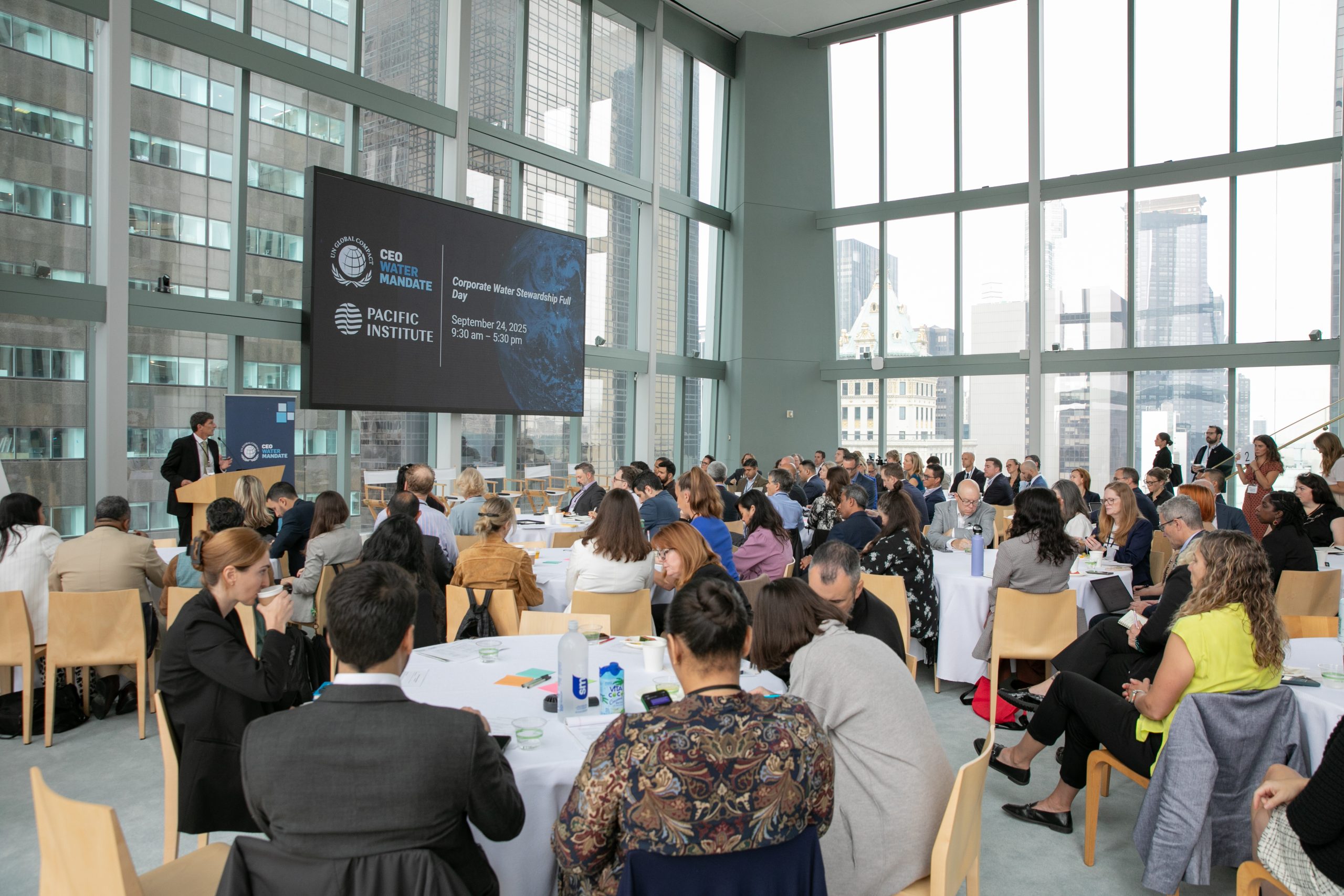
Building Momentum for Corporate Water Stewardship: CEO Water Mandate and Water Resilience Coalition Participation at New York Climate Week and UN General Assembly 80
As world leaders, companies, and changemakers gathered in New York for Climate Week and the 80th United Nations General Assembly, one message came through loud and clear: Water resilience is at the core of business strategy.

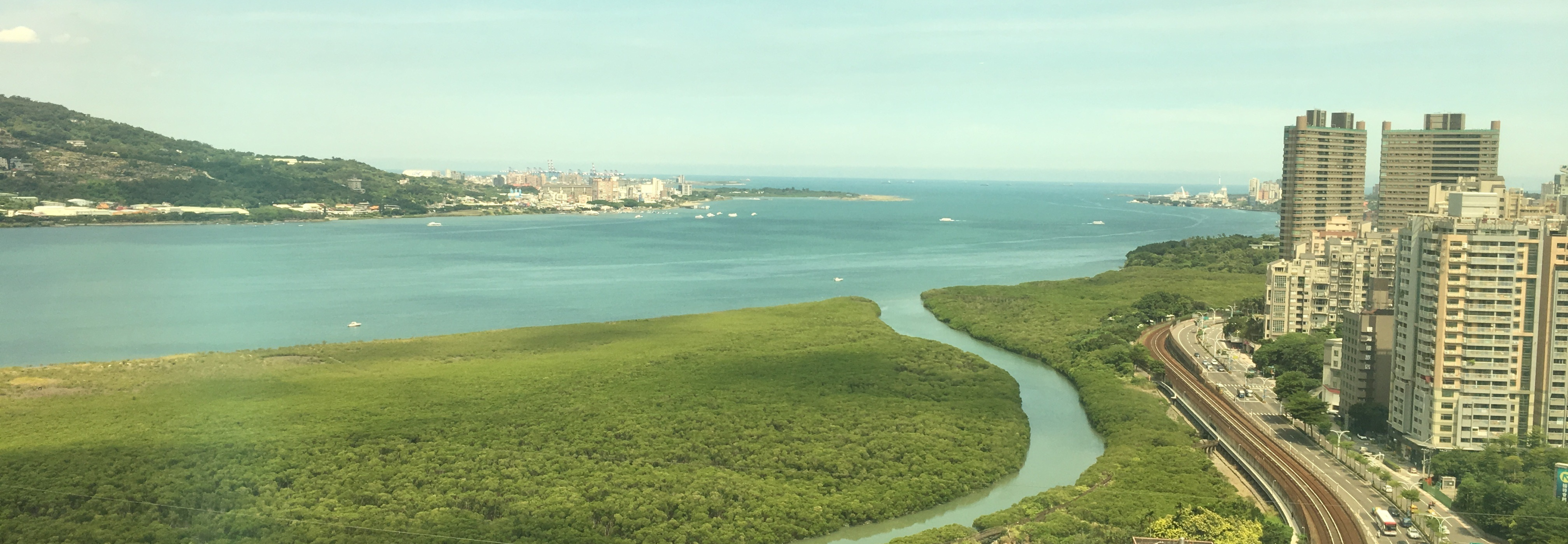
The Business Case for Investing in Nature: From Novel to the New Normal
Nature-based solutions are essential infrastructure investments with the potential to produce broad benefits. Many businesses and governments struggle to identify and implement nature-based solutions due to uncertainty in assessing and measuring their benefits and value.

World Water Day 2025: Pacific Institute Reaffirms its Commitment to Water Resilience
To mark World Water Day, the Pacific Institute is proud to announce accelerated action across its four water Impact Areas, while reaffirming its commitment to the ambitious goal of “catalyzing the transformation to water resilience in the face of climate change by 2030.”
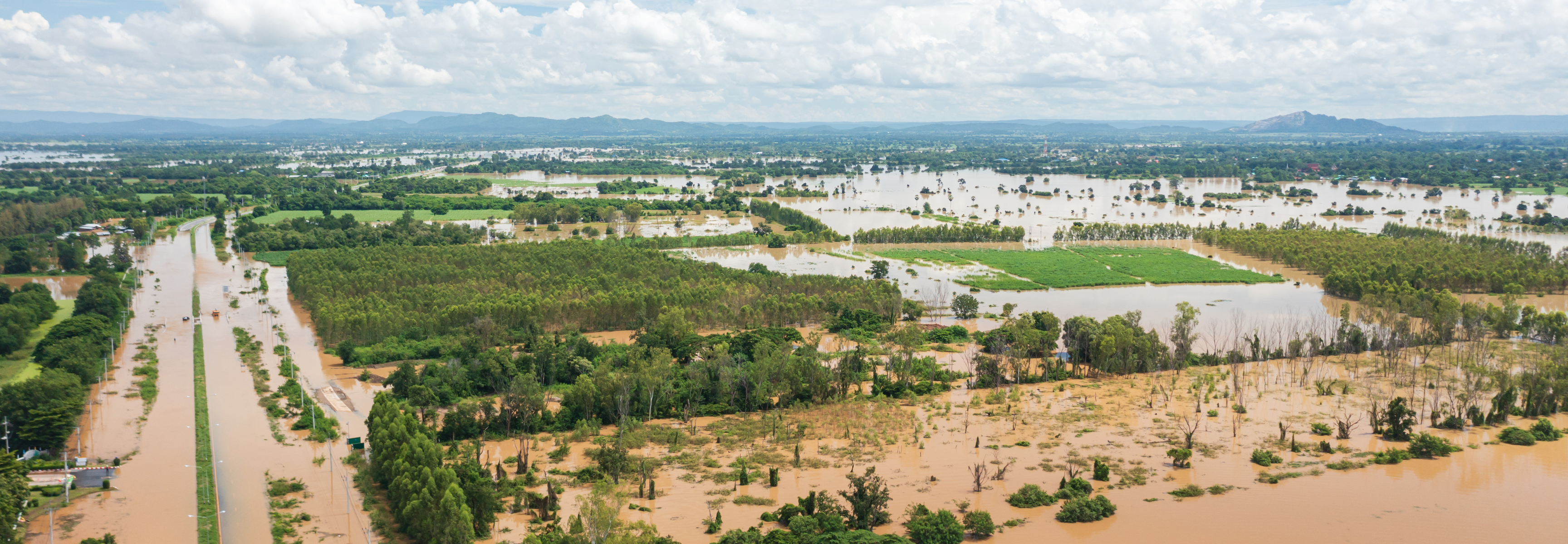
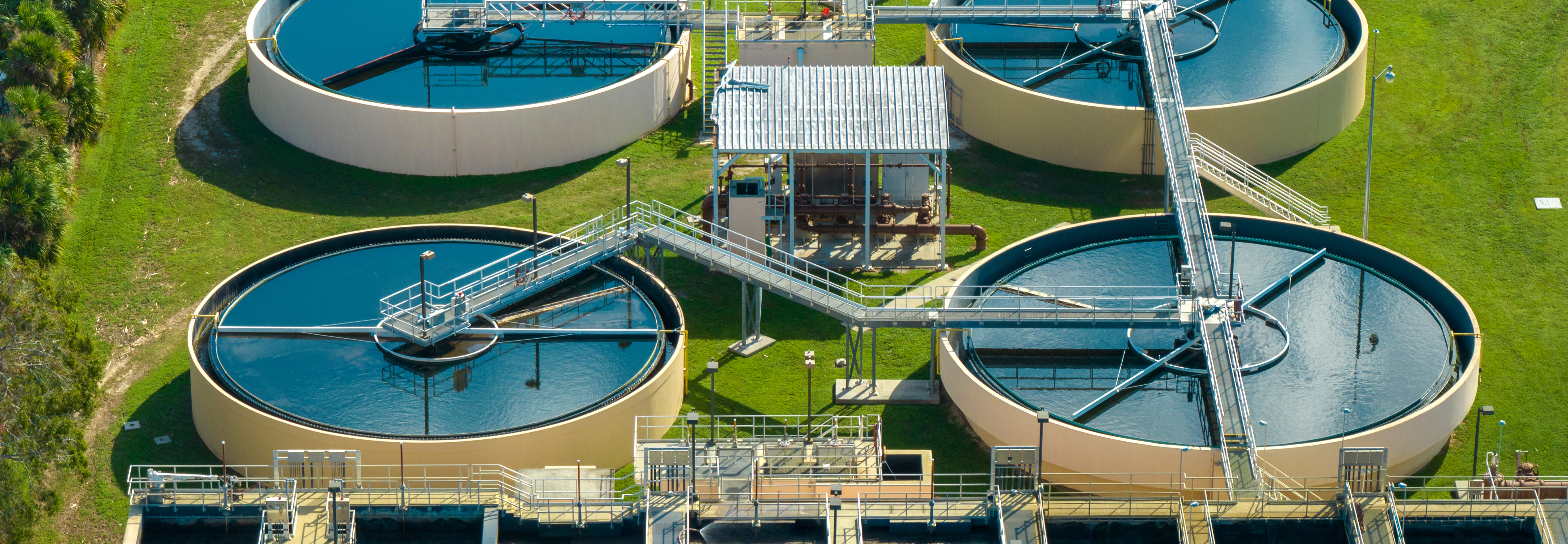
The Role of Metrics in Water and Wastewater Affordability Programs in the United States
This blog is part of The Water Research Foundation (WRF) project 5179: Feasibility and Applicability of Emerging Utility-Led Innovations in Addressing Affordability. The project, led by the Pacific Institute, CIS, UCLA Luskin Center for Innovation, and UNC Environmental Finance Center, seeks to document and advance innovative strategies that utilities can use to improve affordability programs in the United States.

Driving Global Water Resilience with the Pacific Institute’s Strategic Plan Through 2026
A Q&A with Jason Morrison, President at the Pacific Institute. Guiding the conversation is Sumbul Mashhadi, Manager of Multimedia Content and Impact Communications at the Pacific Institute.