


This section explores the nuances of global water challenges, featuring insights by our researchers, collaborative pieces with our partners, and Q&A styled dialogues with industry experts. It complements our work by providing context, commentary, and a deeper understanding of our research findings.

National Geographic ScienceBlogs: Three Iconic Graphs Showing the Climate Fix We’re In
Here are three iconic graphs (unfortunately, there are many, many more) showing just some of the clear observational evidence that we’re changing the climate.

Technical Assistance
The Pacific Institute lends its technical expertise through targeted assistance to organizations doing work consistent with our values and mission. Institute staff are leading professionals in diverse fields including engineering, environmental health, hydrology, economics, geography, and policy and planning.

Safe Return and Reintegration
The exponential expansion of the criminal justice system, its concentration in low-income communities of color, and the social stigma and legal exclusion that accompany it have made it one of the defining issues of this era. Through our partnerships with community-based organizations, the Pacific Institute has found that our participatory research processes and community capacity building have a powerful effect when adapted to work on these issues.

Planning for Environmental Health
Most city planners ascribe to the goal of fostering “healthy cities,” yet determining the best way to translate this vision into reality has posed a challenge given competing priorities like job creation, housing development, and access to transit.

Participatory Action Research
Participating in the decisions and activities of carrying out research can have a profound impact of empowering community members without previous training to understand, find solutions to, and communicate the challenges they face.
Multiple-Use Water Services
Recognizing that water is used for different purposes, Multiple Use Water Services (MUS) has emerged as one of the best ways to maximize water use.
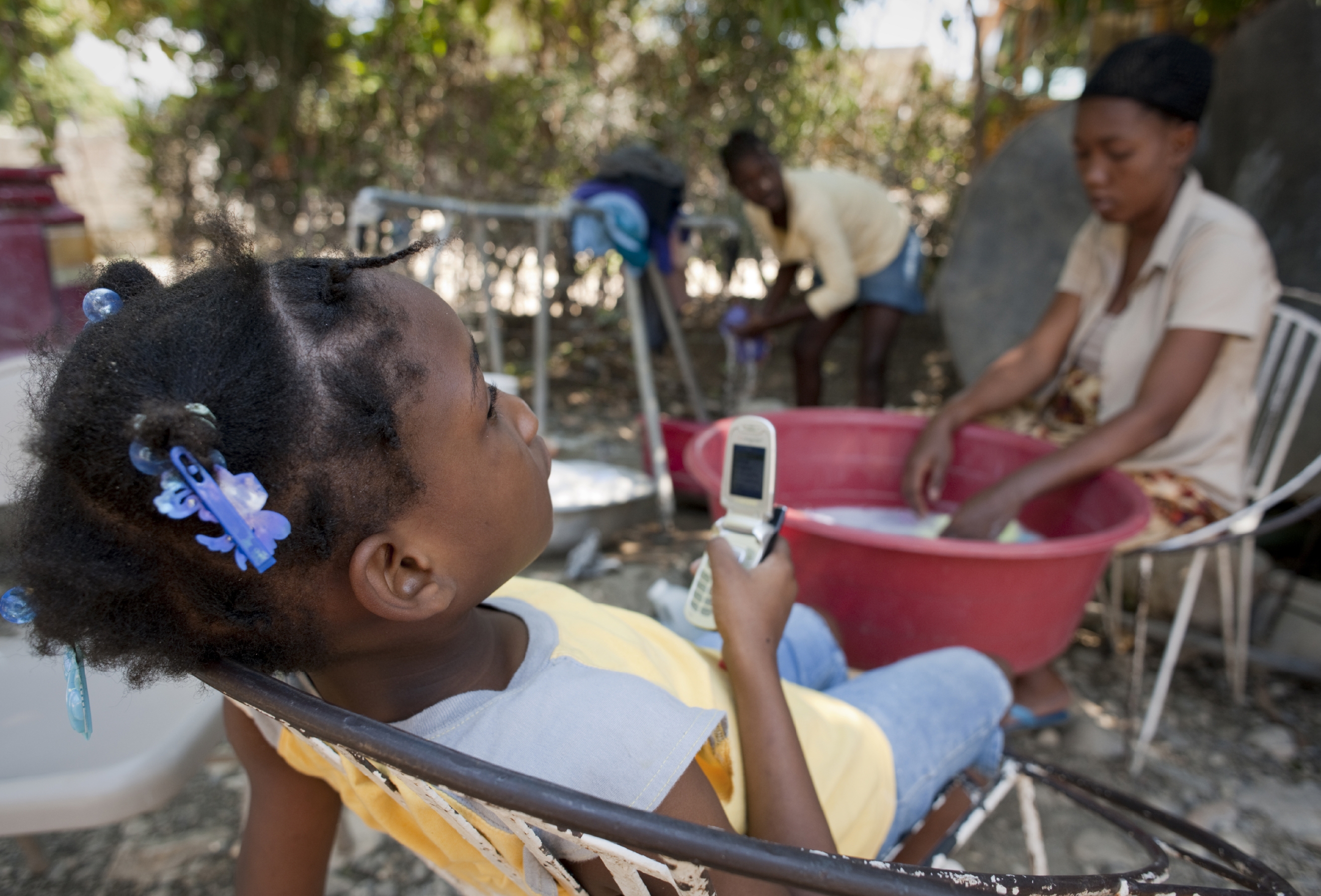
Mobile Phone Solutions for Water, Sanitation, and Hygiene (WASH)
Rapidly growing populations, decreasing water availability, and more erratic precipitation due to climate change are causing a crisis among the urban poor: millions of city dwellers in developing countries don’t have access to regular, reliable, safe, or affordable water and sanitation. The urban poor are willing to pay for water and sanitation services, and often are paying many times more for water from private sources.
Green Jobs and Water
The transition toward more sustainable approaches to managing, delivering, and treating freshwater involves workers in many different sectors of the economy and shifts in markets, occupations, and jobs created.

Freight Transport Justice
Freight transport, or the movement of products and raw materials via truck, train, ship or plane, is a major source of unhealthy diesel pollution and other adverse impacts that disproportionately affect low-income communities, communities of color, and workers.
Corporate Water Disclosure
Corporate water disclosure – the act of collecting data on the current state of a company’s water management, assessing the implications of this information for the business, developing a strategic response, and ultimately reporting this information to stakeholders (investors, NGOs, consumers, communities, suppliers, employees, and others) – is a critical component of a company’s water management efforts and water-related sustainability more generally.